
Next Step
Setup
Configuration guides for an app the reader has already chosen or just migrated into: vault and folder structures, PARA-method or second-brain setups, starter plugin sets, and template starting points, scoped tightly to personal knowledge management rather than general productivity advice. Serves readers at a distinct, later task stage than Comparisons or Migrations: the decision is made, and they need the tool working. Excludes app-vs-app evaluation and migration mechanics entirely. Each guide is reached primarily as the 'next step' link from the matching migration guide or tool profile, not as standalone blog browsing.
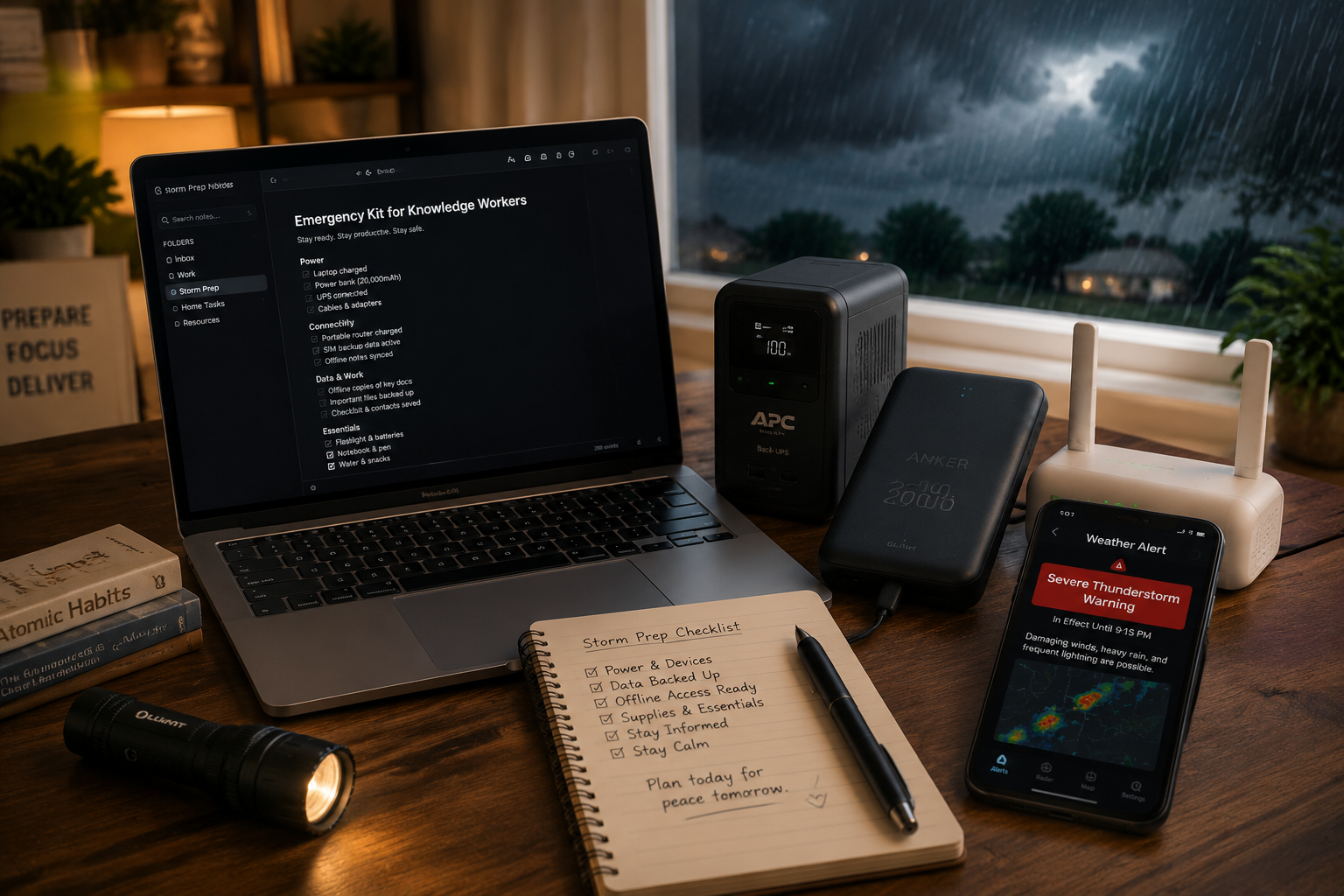
How to Stay Productive During Flash Floods and Tornadoes
When severe weather knocks out power and internet, your productivity doesn't have to stop. This guide walks you through the apps, tools, and hardware to set up now so you can keep working through flash floods and tornadoes.

How Daylight Saving Time Affects Student Productivity
Daylight saving time's spring transition can reduce student focus and performance for up to two weeks, but the effect is smaller and more conditional than popular alarm suggests. This article synthesizes key research to help students and educators understand the real impact and prepare accordingly.
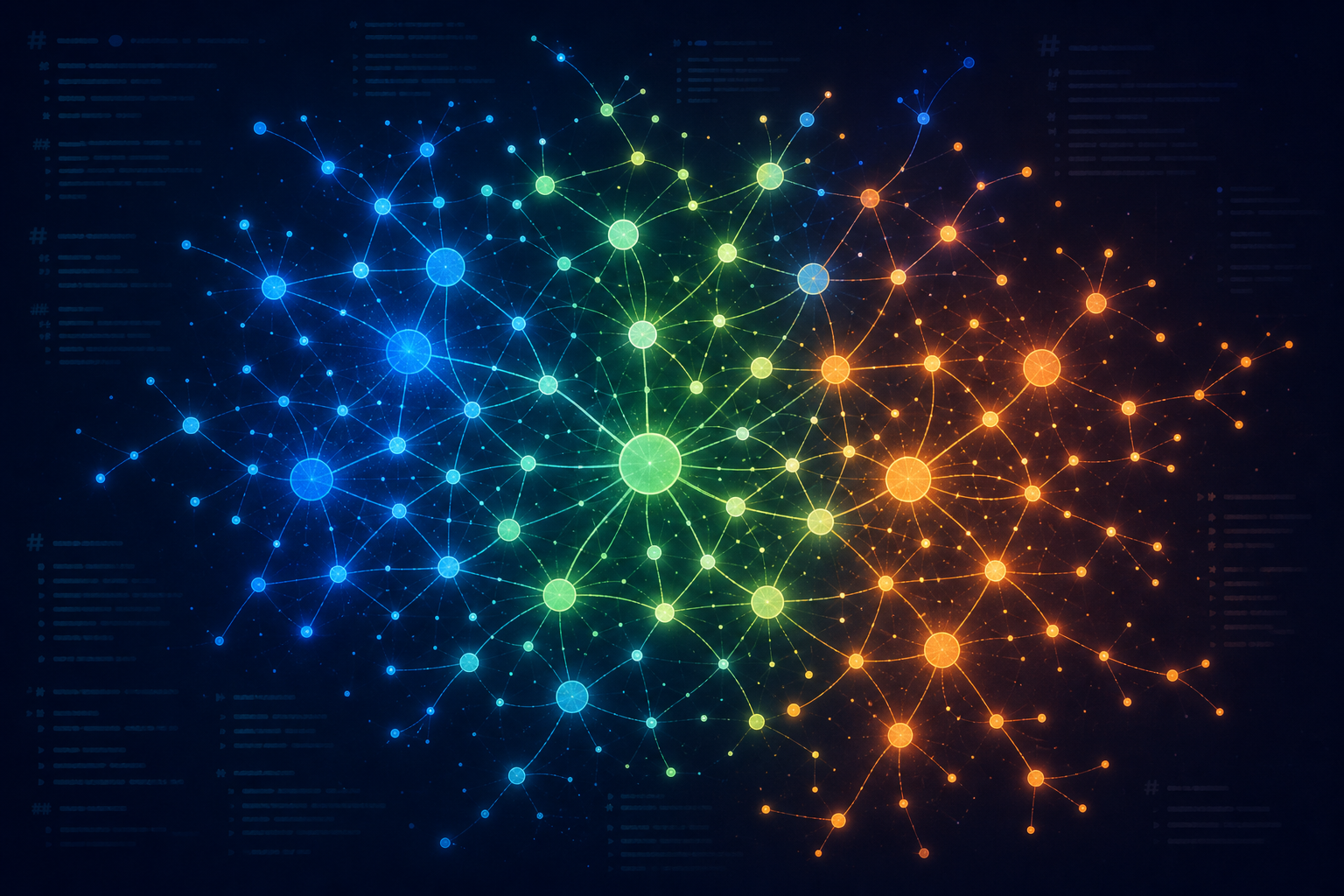
How to Build a Second Brain in Obsidian: A Complete Step-by-Step Guide
A practical, opinionated setup guide for knowledge workers and students who want a working Second Brain in Obsidian — covering vault setup, organizational method selection, essential plugins, daily capture habits, and the common mistakes that cause most beginners to quit.
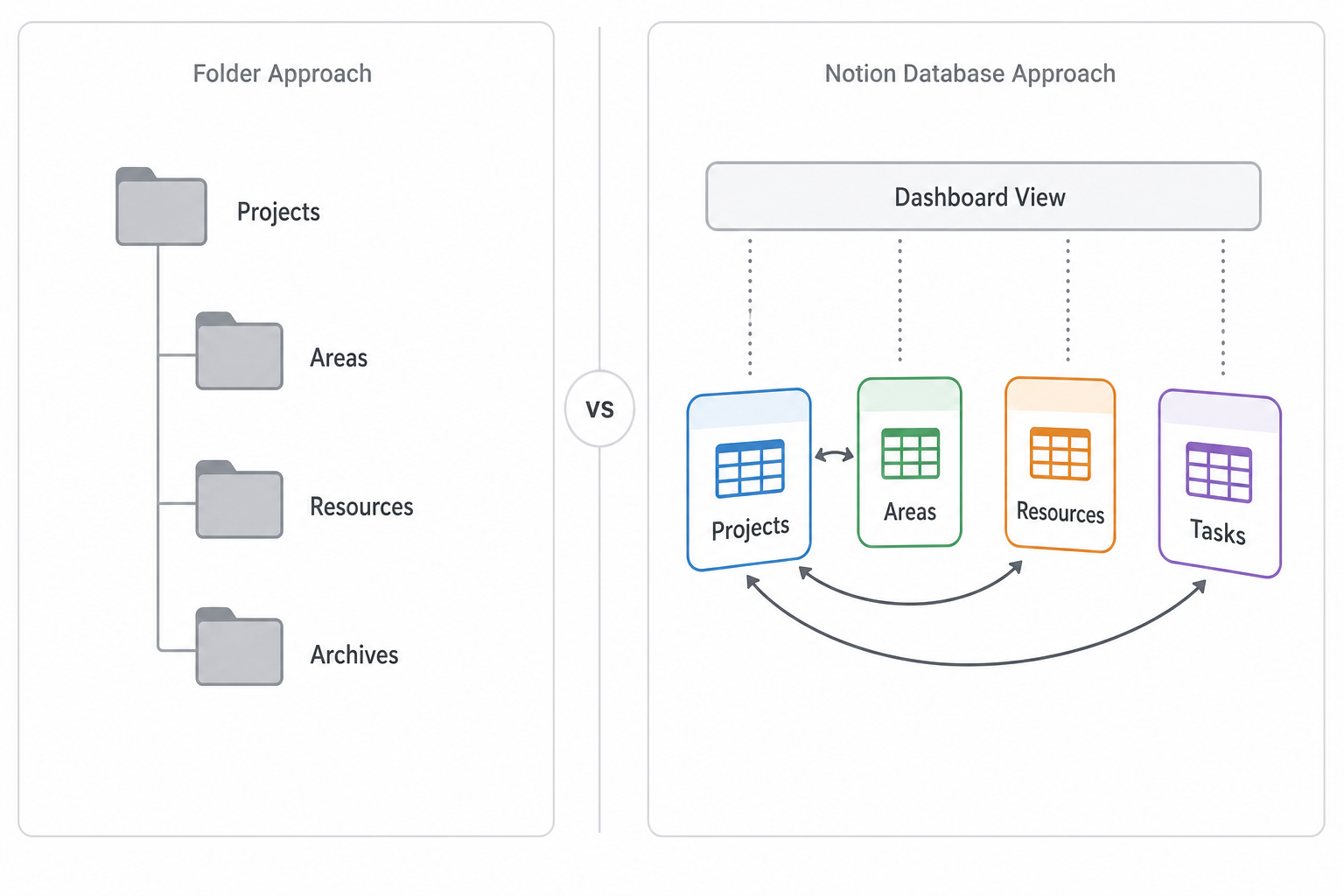
How to Set Up the PARA Method in Notion: A Step-by-Step Guide Using Linked Databases
Most PARA-in-Notion setups fail because they treat Notion like a folder system — this guide shows knowledge workers and students how to implement PARA correctly as a relational database system, using linked views, relation properties, and Archive-as-Status to preserve metadata and eliminate the 'where does this go?' friction.

Your Complete Red Flag Warning Preparedness Checklist
When a red flag warning hits, you need more than a go-bag. This checklist helps knowledge workers protect their family, digitize critical documents, and keep working through power outages and potential evacuation.

Use the Speed vs. Judgment Framework to Boost AI Productivity
Learn a simple decision framework that separates speed tasks (repetitive, time-intensive) from judgment tasks (creative, strategic) so you can use AI for the right work and get real productivity gains.

Why Your Personal Knowledge Management System Keeps Failing — 12 Anti-Patterns and How to Fix Them
Most PKM systems fail not because of the wrong tool or method, but because of predictable cognitive anti-patterns. This article diagnoses 12 common traps — from tool-hopping to digital hoarding — and provides a self-assessment checklist and a 30-day reset protocol to help you build a system that actually sticks.

Workflow vs Process: A Practical Framework for Knowing Which One to Fix (and When)
Most teams waste time applying workflow fixes to process problems or vice versa. This article provides a practical diagnostic framework to distinguish between workflow and process issues, helping knowledge workers and team leads decide where to invest improvement effort.

The Productivity Cost of Artificial Sweeteners for Older Adults
New 8-year research links high consumption of six common artificial sweeteners to 62% faster cognitive decline in adults over 50. This article breaks down the evidence, identifies the sweeteners to watch, and provides actionable productivity tips to protect your memory and focus.
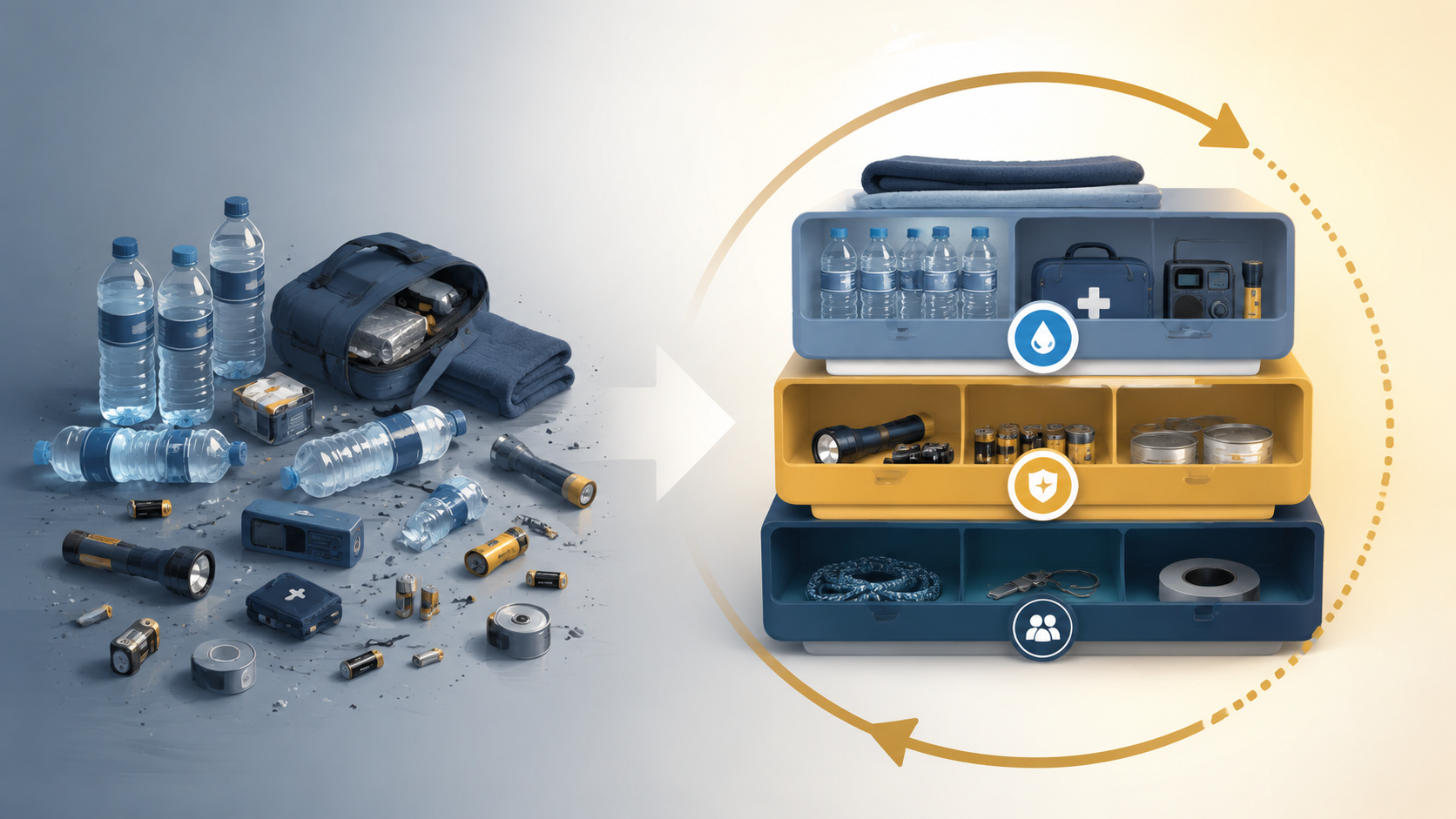
How to Build an Emergency Preparedness Checklist You'll Actually Maintain
Most emergency checklists fail because they're treated as one-time tasks. Learn how to apply productivity principles—progressive stacking, scheduled reviews, and tiered readiness—to build a checklist you'll actually maintain.

How Smart Eating Habits Can Boost Your Focus and Productivity
Strategic meal timing and nutrient-dense food choices can stabilize your energy, sharpen attention, and improve cognitive output within days. This article outlines a three-pillar eating system designed specifically for knowledge workers and students.
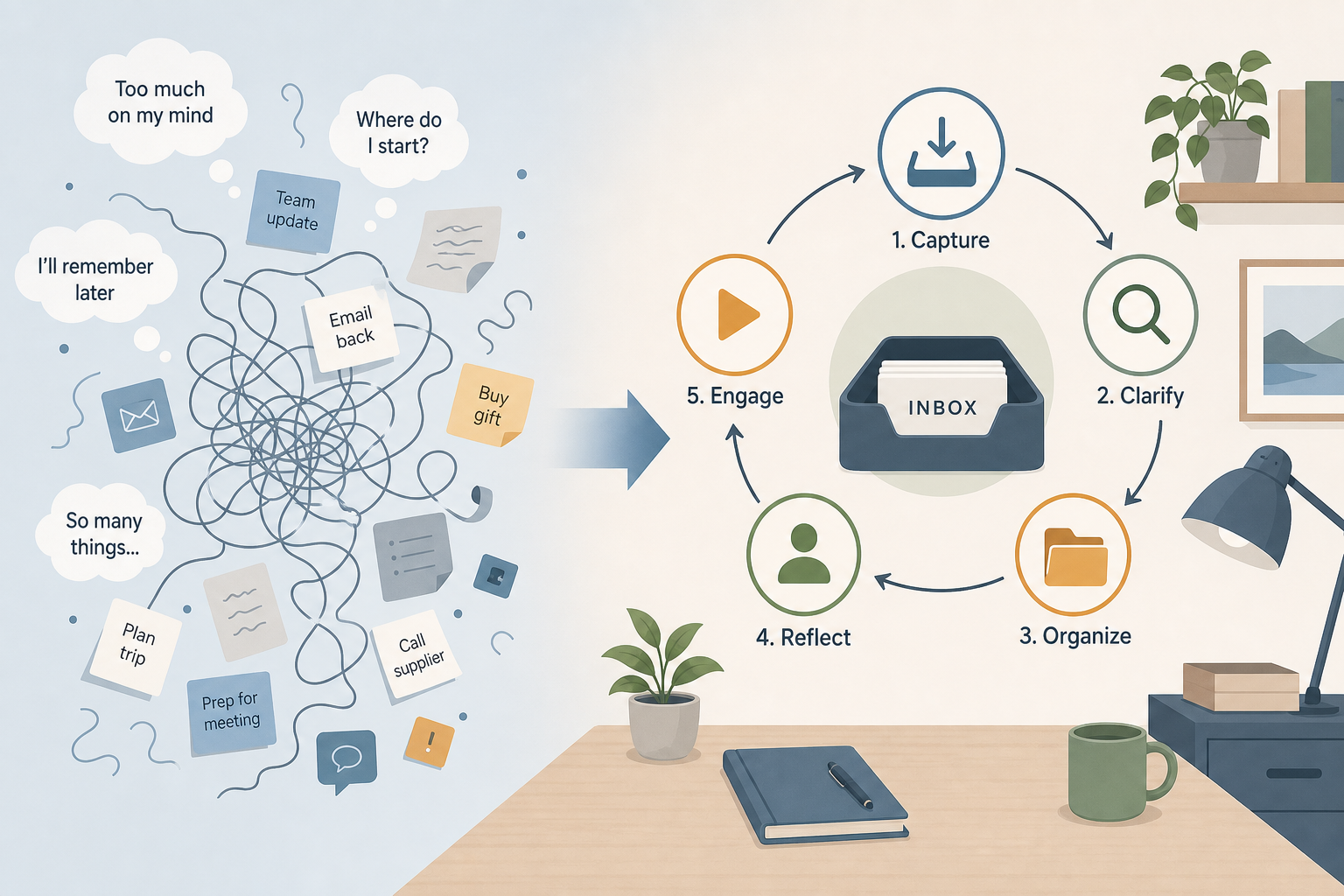
Getting Things Done (GTD) Explained: The Complete Guide
A comprehensive, cognitively grounded guide to David Allen's Getting Things Done methodology — covering the science behind open loops, every step of the five-stage workflow, the weekly review as a load-bearing habit, common failure modes, and how GTD complements PARA and Building a Second Brain for knowledge workers and students.