
Fixed Reference Set
Profiles
One stable reference page per named app (Notion, Obsidian, Logseq, GoodNotes, Notability, Apple Notes, Evernote) covering what the app is, who it fits, its pricing tiers with a last-verified date, its data portability and export format, and its plugin or integration ecosystem. Serves readers who need a neutral lookup on a single app without a judgment call attached. Does not compare two apps against each other (Comparisons) and does not walk through a move (Migrations). Every profile is linked from every comparison and migration guide involving that app, avoiding repeated feature explanation across the site.

GoodNotes in 2026: Market Position, Demographics & the One-Time Purchase Advantage
This article examines GoodNotes' competitive moat in the 2026 note-taking app market — analyzing its demographic depth, one-time purchase pricing strategy, and category dominance — to help knowledge workers and iPad users decide if it's a durable long-term investment.
Microsoft OneNote in 2026: What You Get, What It Costs, and Who It's For
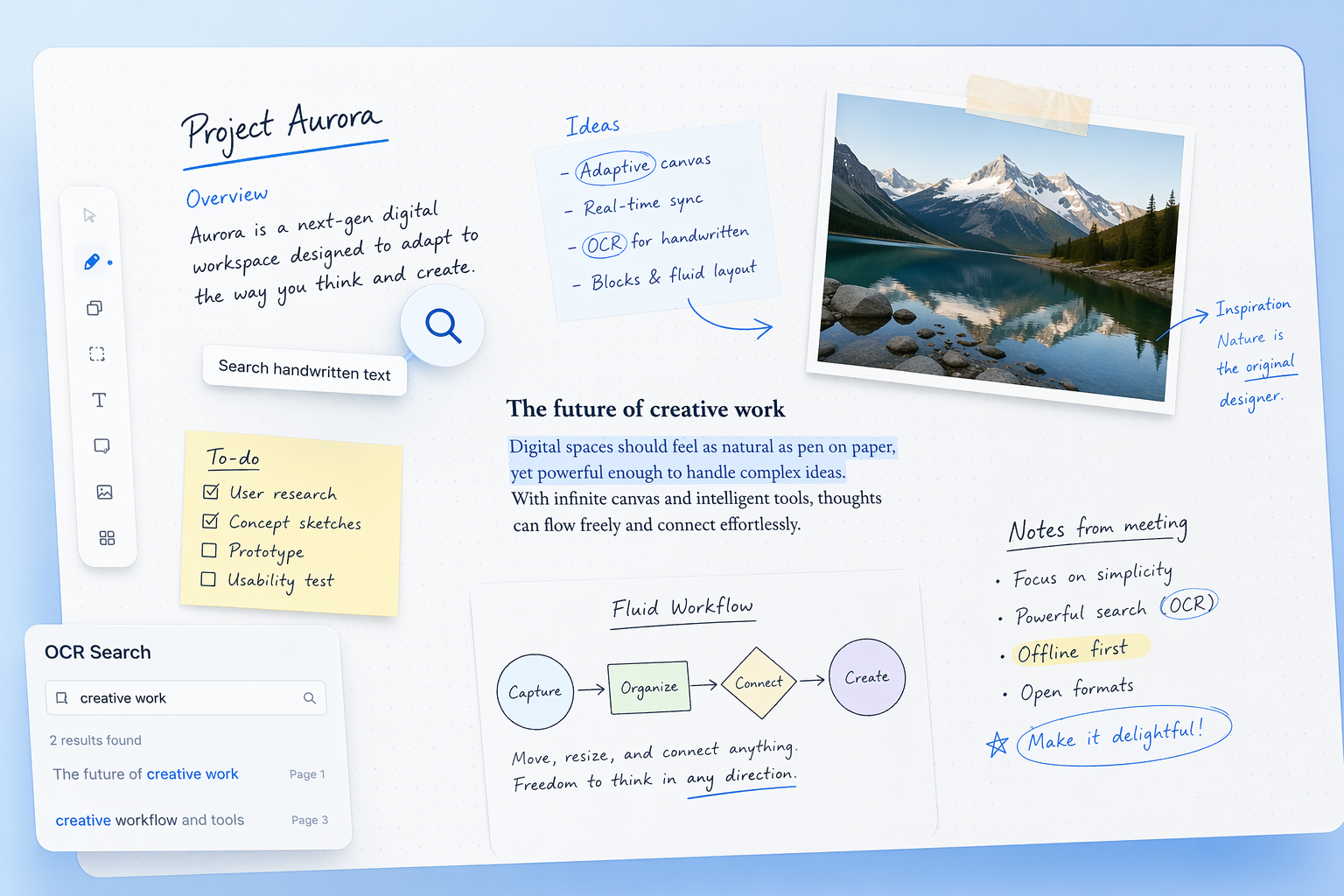
This comprehensive profile covers Microsoft OneNote in 2026 — its freeform canvas, handwriting OCR, Copilot AI, pricing, and honest strengths and weaknesses — to help you decide if it's the right note-taking app for your workflow.

ServiceNow Workflow Automation: Real Productivity Gains?
ServiceNow's AI-powered workflow automation can deliver measurable productivity gains for large enterprises, but value depends on deployment scope and organizational readiness. This profile breaks down the evidence, pricing, and when ServiceNow makes sense — or doesn't.

Google Keep: The Complete 2026 Tool Profile – Features, Pricing, and Who It's For
A deep dive into Google Keep's features, pricing, and limitations in 2026 — plus an honest assessment of who should use it as their primary note-taking app and who should pair it with a more powerful tool for serious organization.

Process vs. Workflow Management: Tool Profiles for Knowledge Workers Choosing Their Stack
A practical guide for knowledge workers, freelancers, and small-team leads to understand the difference between process management and workflow management, and to find the right tool from a curated set of profiles spanning lightweight automation to full BPM suites.

What Makes a Personal Knowledge Management App? The 5 Core Capabilities That Define a True Second Brain
Not every note-taking app qualifies as a personal knowledge management (PKM) system. This article defines the five essential capabilities — bidirectional linking, relationship visualization, atomic granularity, data portability, and powerful retrieval — that separate true second brains from basic note-takers, and provides a framework to evaluate apps before you commit.
GoodNotes vs OneNote for Windows in 2026: Which Note-Taking App Should You Choose?
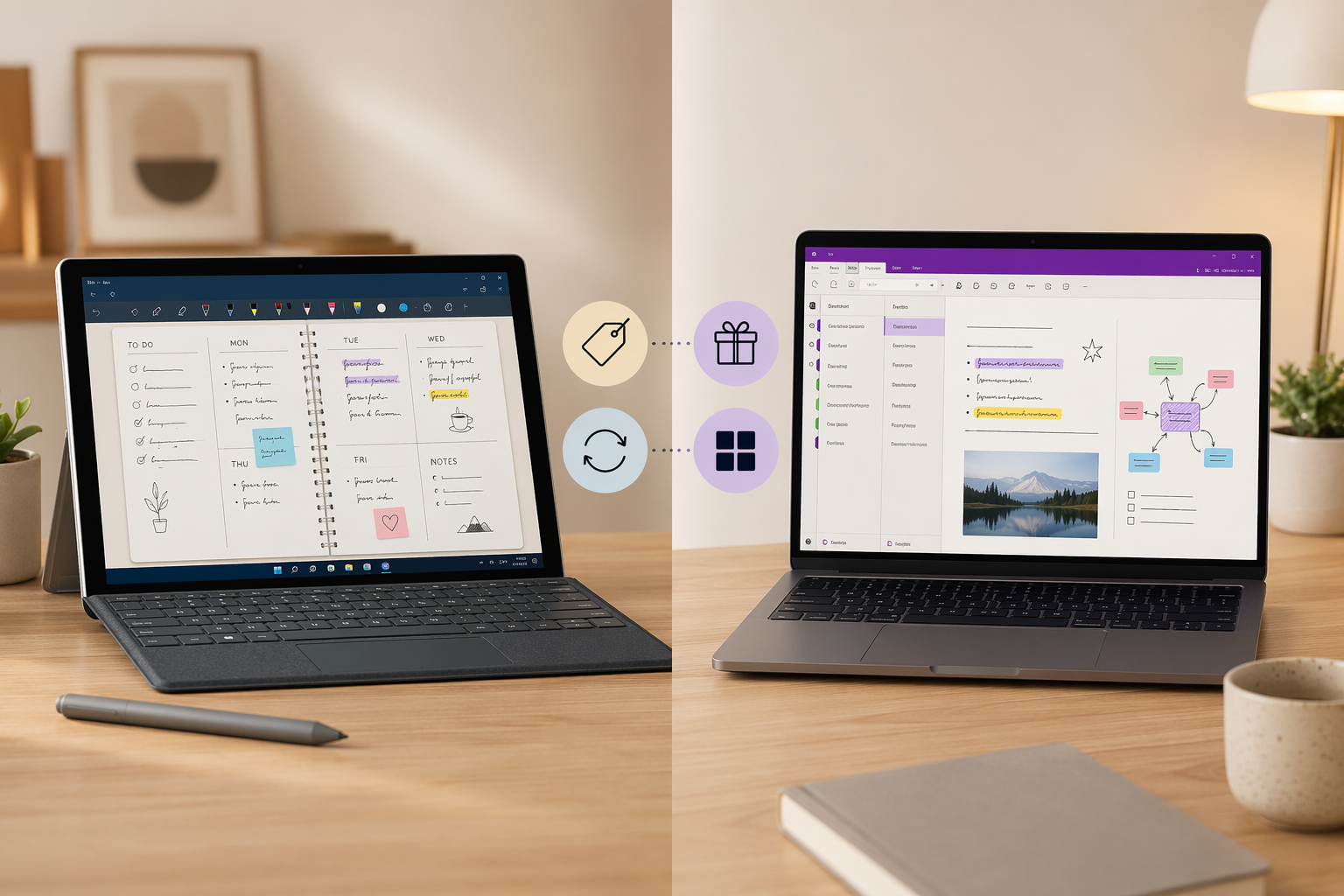
A head-to-head comparison of GoodNotes and Microsoft OneNote for Windows-first users, covering handwriting quality, pricing, cross-platform sync, and ecosystem integration to help Surface owners, students, and professionals decide.

Notion vs. Dedicated Note-Taking Apps: Do You Need a Workspace or a Note-Taker?
A head-to-head comparison of Notion against Obsidian, Apple Notes, OneNote, Google Keep, and Evernote for decision-mode readers. We help you decide whether you need an all-in-one workspace or a focused note-taking tool.
How to Build Marketing Automation Workflows That Drive Revenue: A Practical Guide with Real ROI Data
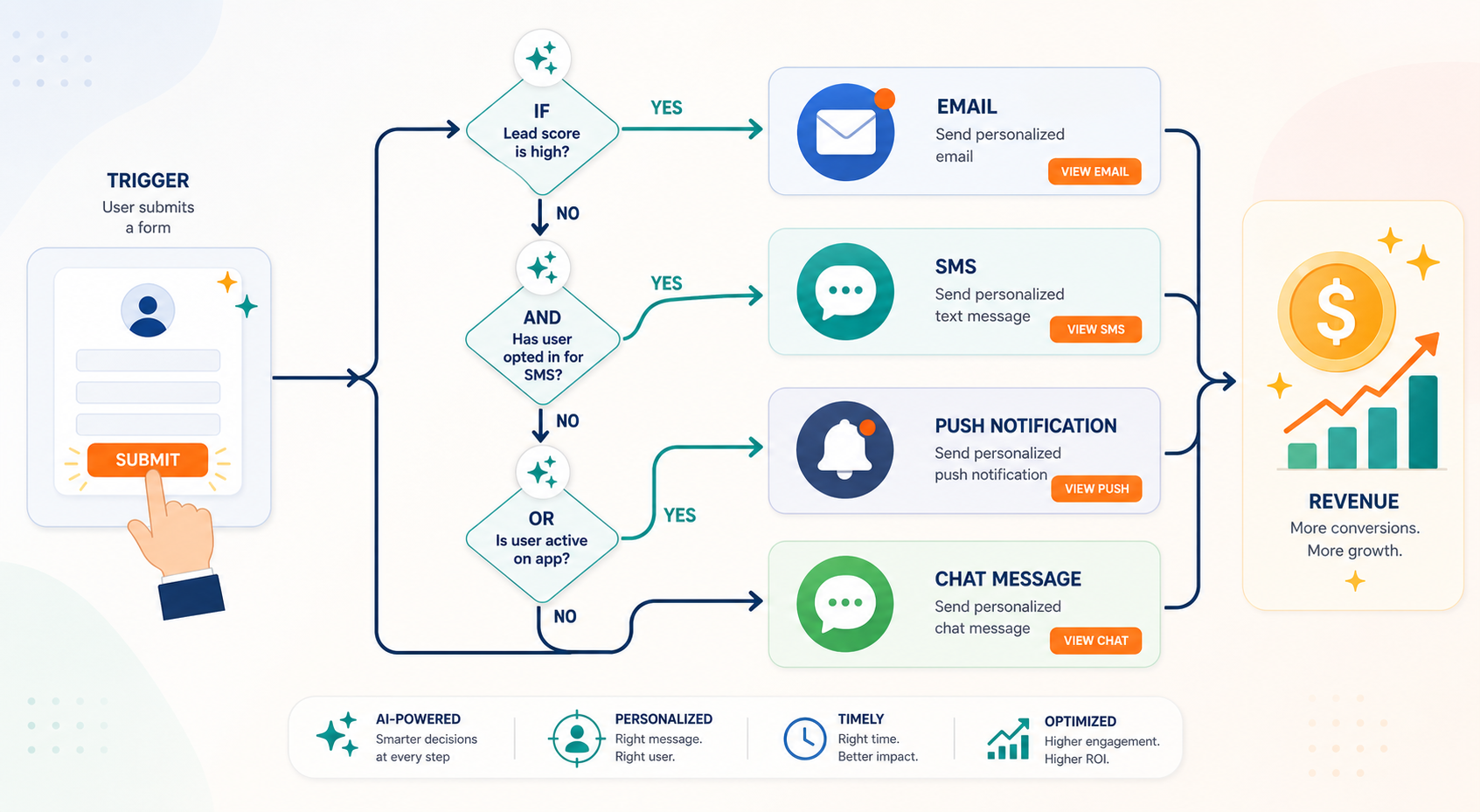
This guide teaches marketing ops specialists and growth marketers how to build high-ROI marketing automation workflows. It covers the core anatomy of a workflow, ranks the 9 most impactful workflows by revenue per recipient, provides a step-by-step building methodology, explores AI's impact, and includes a 30-day implementation roadmap.

Microsoft OneNote: Who It's Really For and Who Should Skip It
Trying to decide if Microsoft OneNote is the right note-taking app for you? This use-case profile breaks down who benefits most — students with handwriting needs, enterprise teams on Microsoft 365, and field professionals needing offline access — and who should look elsewhere.

n8n Tool Profile: The Open-Source Process Automation Tool for Technical Teams
n8n offers a free self-hosted Community Edition for teams that need maximum flexibility and data control. This in-depth profile covers features, pricing, strengths, and weaknesses to help developers and IT teams decide if n8n is the right automation platform for them.
Is Notion a Good Note-Taking App in 2026? A Data-Driven Review
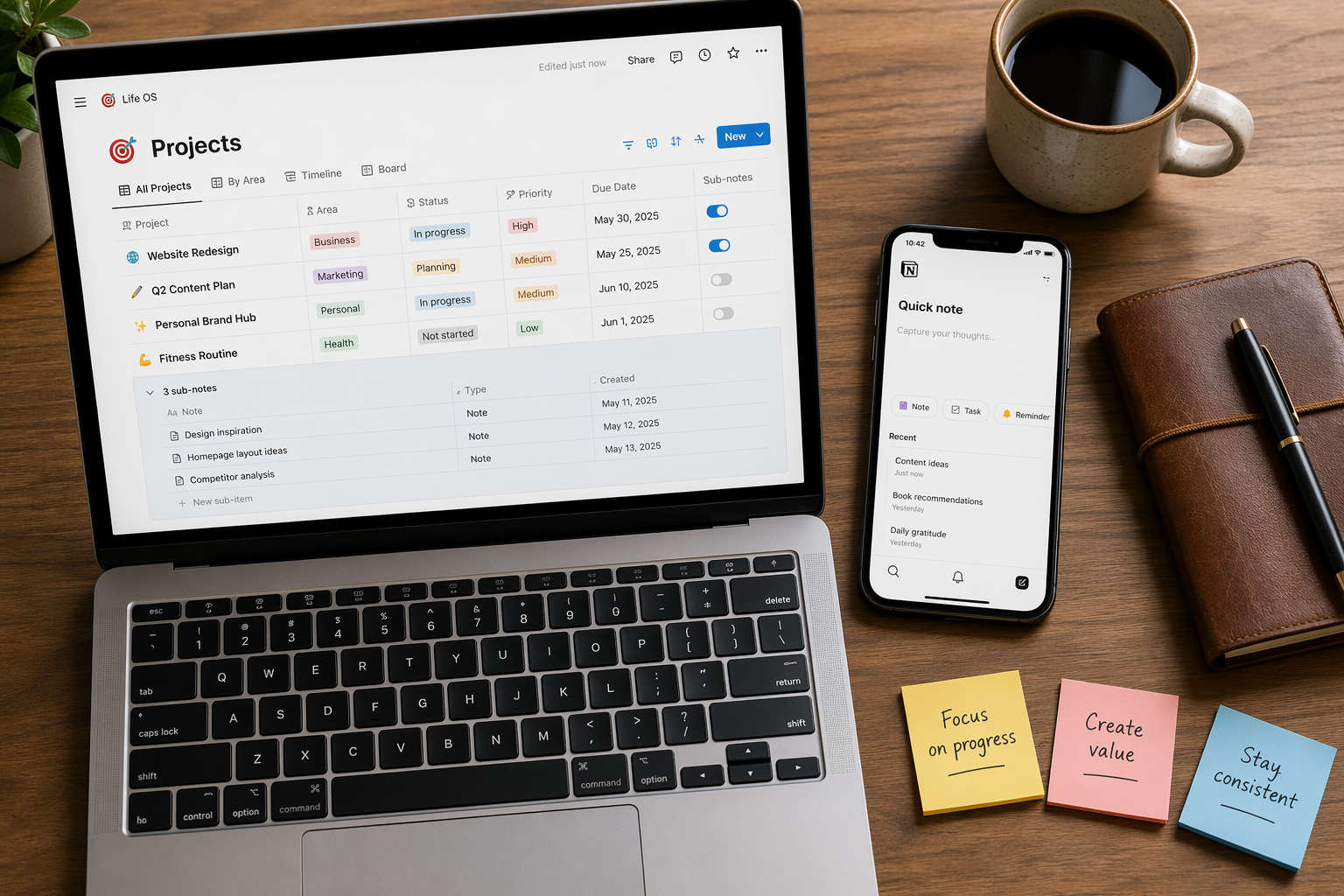
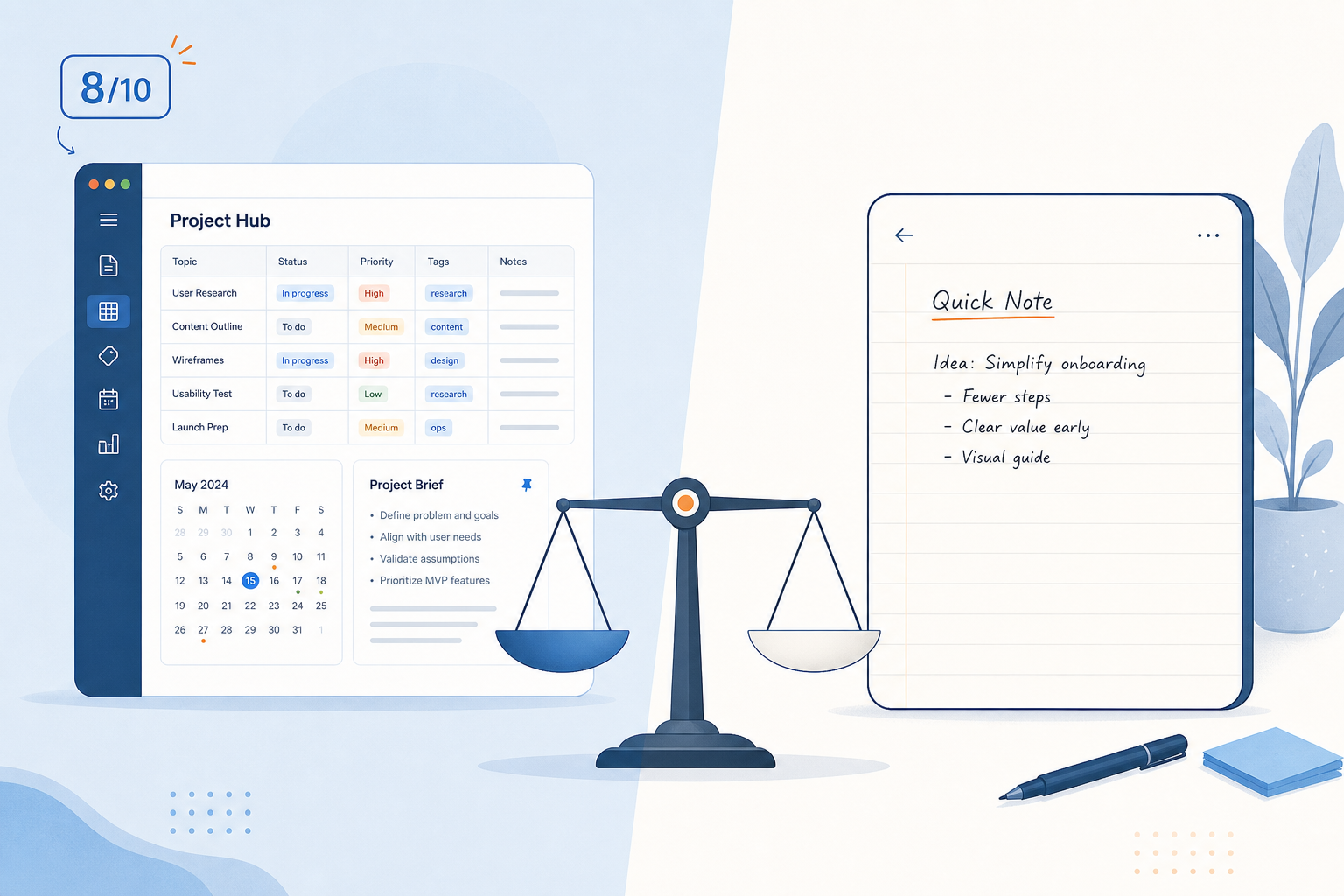
This data-driven review evaluates Notion specifically for note-taking workflows, using concrete metrics like an 8/10 rating, 42% market share, and 230+ features. It helps readers self-select based on their note-taking needs, with honest pros and cons, a use-case matrix, and practical getting-started tips.
Notion for Note-Taking: The 5 Trade-Offs You Need to Know in 2026
Notion is powerful, but its note-taking experience involves five critical trade-offs. This article helps you decide if Notion is right for you by honestly assessing flexibility vs. complexity, cloud convenience vs. data ownership, feature depth vs. performance, AI vs. cost, and templates vs. setup overhead.

Notion for Note-Taking in 2026: A Deep Dive into Blocks, Databases, AI, and Templates
This guide breaks down Notion's unique architecture — blocks, databases, relations, templates, and AI — to show intermediate users exactly how to build a powerful, custom note-taking system. No general review, no comparisons: just a practical how-it-works walkthrough.
Voice Note Apps vs. Meeting Transcription Tools: Why You're Probably Using the Wrong One (and How to Fix It)
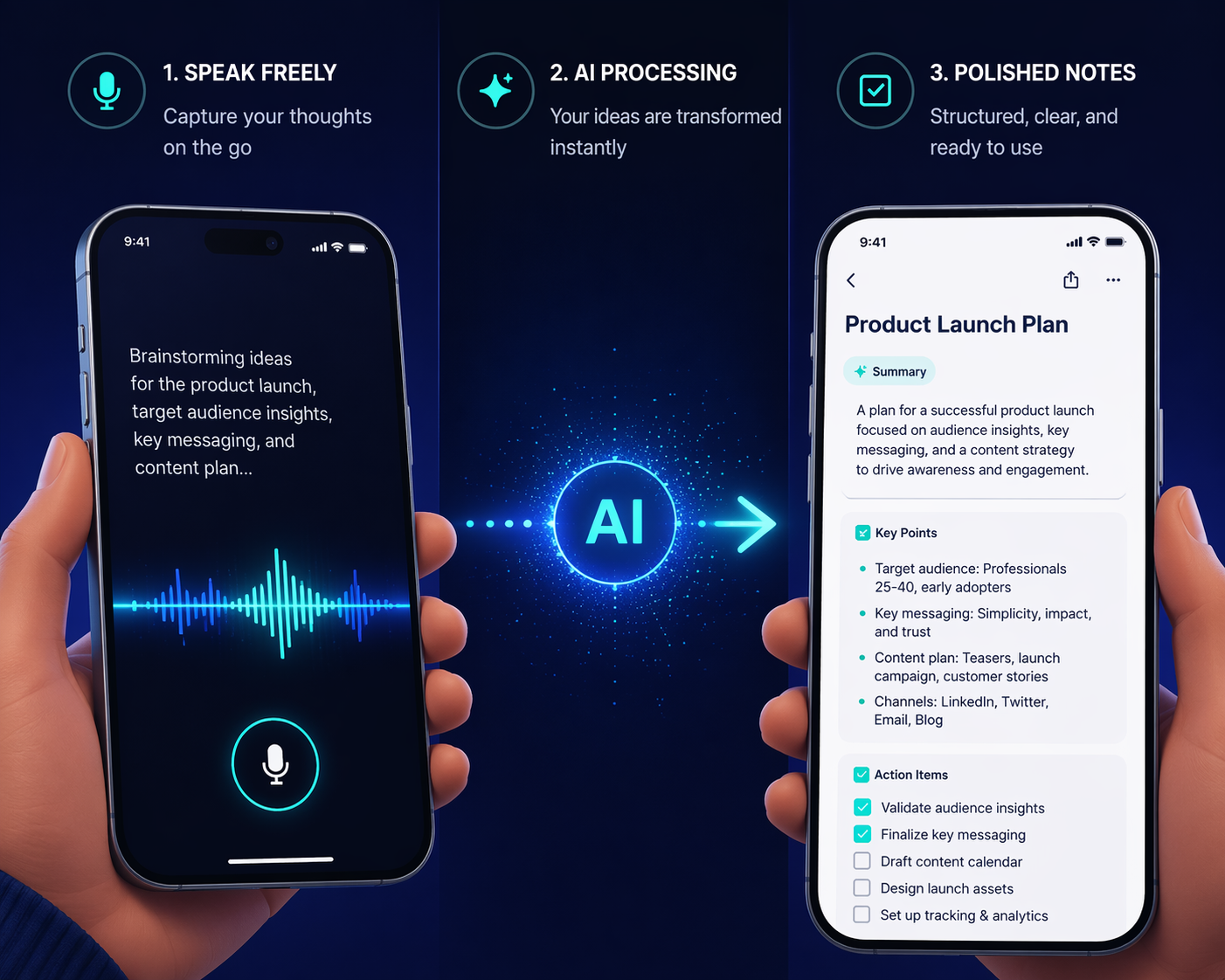
Many professionals use Otter.ai or Fireflies to capture personal ideas, but these meeting transcription tools are overbuilt and overpriced for simple voice notes. This article helps you diagnose the category mismatch, compare the two tool types across key dimensions, and switch to the right app — saving up to $480/year.

AI-Native PKM Systems 2026: How AI Is Reshaping Personal Knowledge Management
A practical guide and tool profile for knowledge workers evaluating AI-native PKM tools. We profile Atlas, Mem, Reflect, Tana, and Storyflow with detailed pricing, tradeoffs, and a decision framework for when to go AI-native versus traditional plus plugin AI.

Best AI Note-Taking App for Meetings in 2026: Bot-Free vs. Bot-Based Compared
The biggest decision in AI meeting notes is whether you want a bot that joins your calls or a bot-free tool that captures from your device. We compare Granola, Jamie, Superpowered, Otter, Fireflies, and Fathom with data-backed insights on retention, pricing, and real-world fit for sales pros, consultants, and privacy-conscious teams.

Best Free Note-Taking Apps for Students in 2026: Free-Plan Limits, Real-World Tradeoffs, and Recommended Stacks
A practical guide for students who need a capable note-taking app at zero cost. Instead of hunting for a single 'best' app, we break down the exact free-tier limits of OneNote, Notion, Obsidian, Apple Notes, Google Keep, Joplin, and Simplenote — then recommend free stacks by device type so you can build a system that actually lasts a semester.

Blue Prism Pricing 2026: Complete Cost Analysis, Hidden Expenses, and Total Cost of Ownership
A transparent breakdown of Blue Prism's real costs in 2026 — from per-bot licensing ($13k–$20k/year) to the hidden expenses (implementation, maintenance, developer scarcity, infrastructure) that can push total cost of ownership to 2–3x the license fee. Written for procurement managers, finance leaders, and automation program sponsors who need to model full TCO before committing.
Goodnotes 6 Review: Features, Pricing, and Who It's Actually For
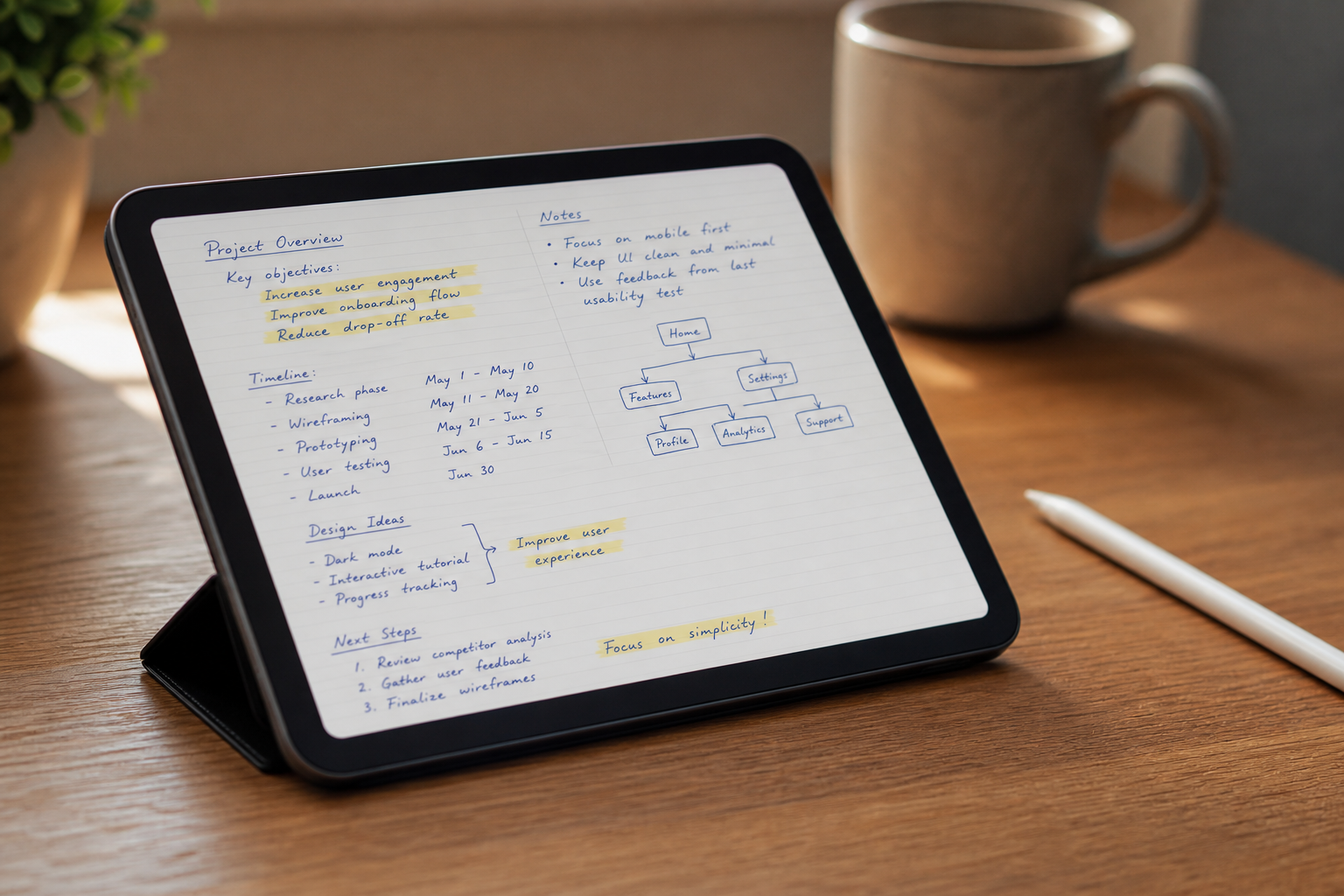
A structured, up-to-date profile of Goodnotes 6 covering its handwriting tools, AI suite, five-tier pricing as of 2025–2026, platform availability, honest strengths and weaknesses, and clear not-for-you disqualifiers — built for students, digital planners, and iPad-first professionals deciding whether to subscribe.