
Declaration Desk
Comparisons
Head-to-head comparisons between two apps (rarely three) on a fixed set of decision axes: pricing, offline/local-first support, export format and lock-in risk, collaboration, and platform coverage. Every comparison carries a visible last-verified date, an honest 'not for you if' section, and a note confirming pricing was checked directly against vendor pages with no undisclosed affiliates. Serves readers who know roughly what they're choosing between but haven't committed to a move yet. Does not walk through the mechanics of an actual migration (Migrations) and does not describe a single app on its own (Profiles). Every comparison links to the matching migration guide(s) in either direction and to both apps' Profiles.

Cross-Platform Note-Taking Apps: Which Sync Architecture Is Right for You?
Choosing a cross-platform note-taking app means navigating three fundamentally different sync models. This article breaks down server-authoritative, file-based, and end-to-end encrypted sync so you can decide which trade-offs match your workflow.

n8n, Activepieces, or Node-RED? How to Pick the Right Open-Source Workflow Automation Tool
Compare n8n, Activepieces, and Node-RED for self-hosted workflow automation. This head-to-head guide helps teams decide based on workflow type, team skill level, and infrastructure needs — not just feature lists.
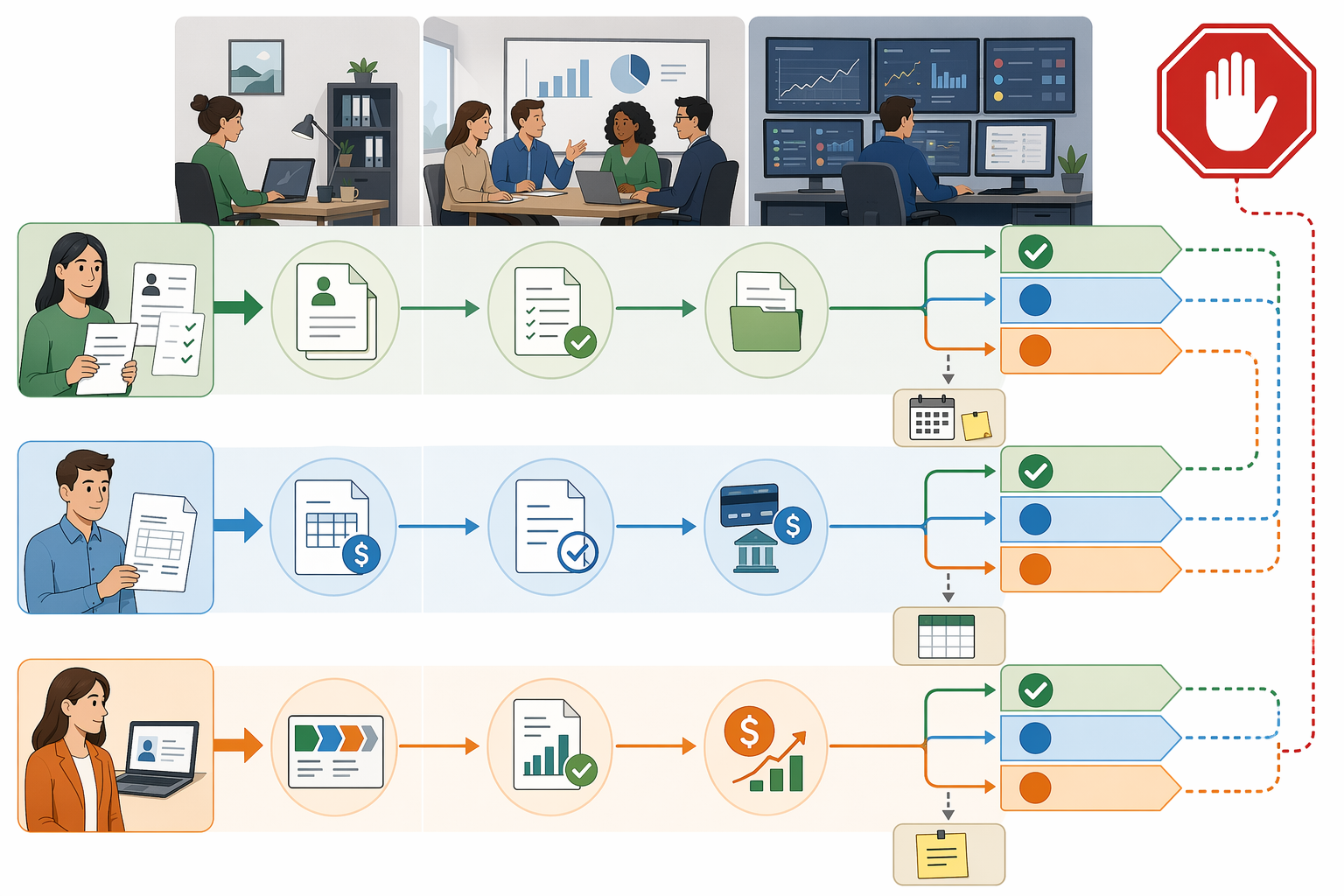
Process Automation Tool Buyer's Guide: 3 Real-World Workflows to Determine Which Tool (If Any) Your Team Actually Needs
Most SMBs waste money buying a process automation tool before mapping their actual needs. This guide walks through three common workflows — employee onboarding, invoice approval, and lead-to-cash routing — with specific volume thresholds to help you decide whether you need a free tool, a paid tier, or no tool at all.

RPA vs BPA vs iPaaS vs Workflow Automation vs AI Agents: Which Process Automation Tool Category Is Right for You?
Confused by the overlapping categories of process automation tools? This guide breaks down the five main categories—RPA, BPA, iPaaS, workflow automation, and AI agents—with a decision tree to help you pick the right category before comparing specific tools.

Process Automation Tools in 2026: A Practical Comparison
This comparison breaks down the four categories of process automation tools—no-code connectors, AI-native builders, fair-code platforms, and enterprise suites—and provides a three-question framework to help knowledge workers and small teams choose the right fit based on skill level, data sensitivity, and workflow complexity.
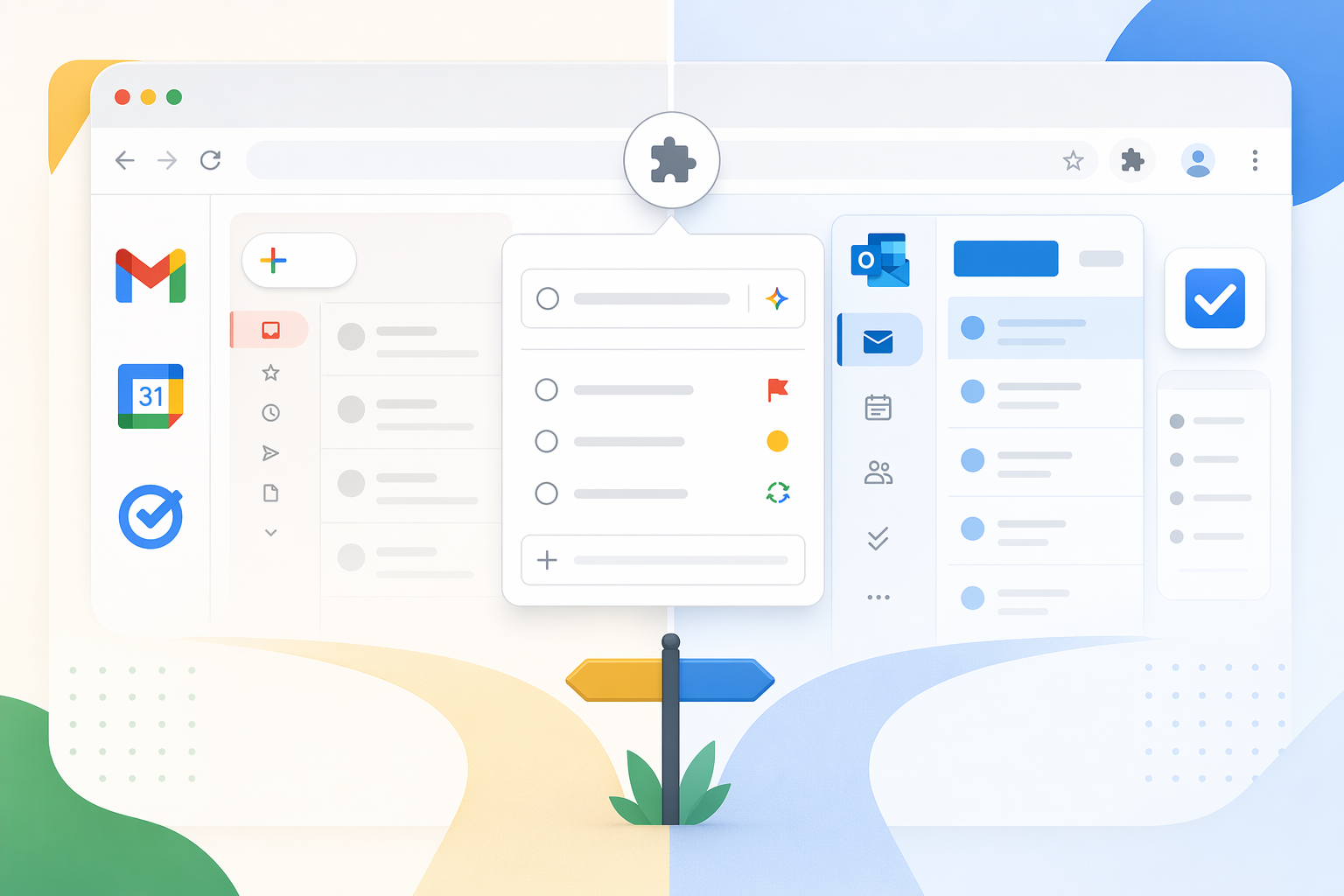
Best To-Do List Chrome Extensions: Choose by Ecosystem, Not Rankings
This comparison helps you choose the right to-do list Chrome extension based on your existing ecosystem (Google, Microsoft, or independent), Chrome-specific features like quick-add and Gmail integration, and honest free-tier limitations—no generic rankings.

Use Windfall Time to Adjust Your Schedule When Events Are Canceled
Canceled events create a psychologically distinct kind of free time called 'windfall time.' Learn how to recognize the bias toward unproductive leisure and use a pre-planned task menu keyed to gap size so you consistently turn those unexpected openings into real output.
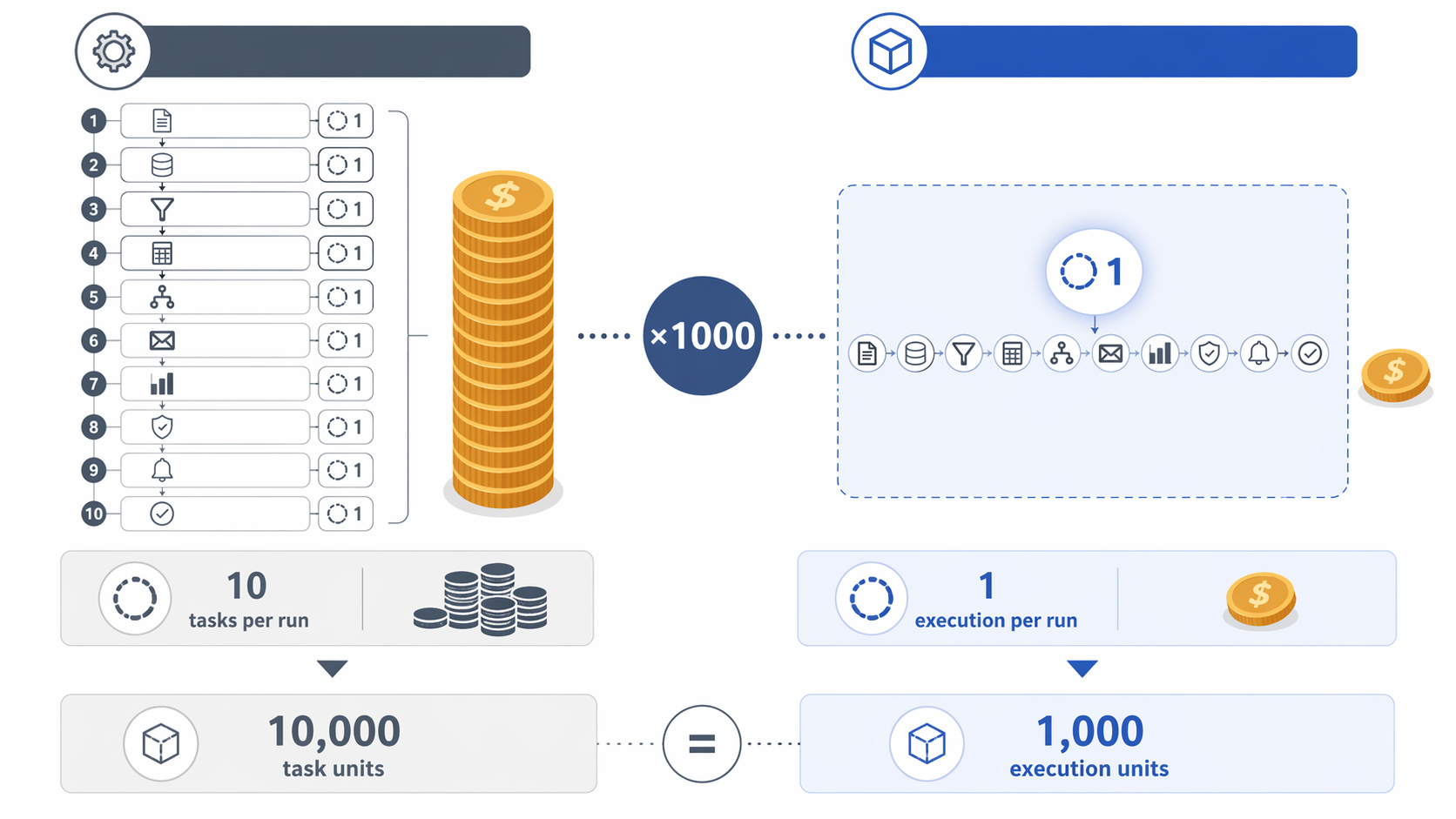
Zapier vs Make vs n8n: A Head-to-Head Comparison for 2026
Compare Zapier, Make, and n8n head-to-head across pricing, integrations, and AI capabilities to find the workflow automation platform that matches your team's volume, skill level, and compliance needs.

AI Meeting Notes Tools Compared: Bot vs Bot-Free, Hidden Costs, and Honest Tradeoffs
This comparison cuts through the noise by focusing on three structural decisions that define the AI meeting notes market in 2026: whether a bot joining your calls is acceptable, how deep CRM integration you need, and whether AI credit metering will inflate your real cost. You'll get clear verdicts for each scenario, not a single winner.

Best AI-Powered PKM Tools Compared in 2026: Which One Fits Your Thinking Style?
Compare the top AI-powered personal knowledge management tools of 2026 organized by architectural lane — canvas-first, database-first, text-stream, daily-notes-graph, local-first, and structured-data — to find which tool matches your thinking style and work shape.

AI Productivity Apps That Actually Work: A Skeptic's Guide (2026)
Most AI productivity tools are just task managers with chatbots bolted on. This guide cuts through the hype, applies a three-test filter to separate real time-savers from over-engineered distractions, and offers a practical adoption framework for skeptical professionals.

AI Agents for Calendar Scheduling: A Practical Comparison for 2026
Choosing an AI scheduling agent in 2026 means matching the tool to your specific pain point—meeting overload, focus time erosion, or workflow orchestration. This comparison of nine tools covers pricing, platforms, and autonomous capabilities to help you find your best fit.