
Next Step
Setup
Configuration guides for an app the reader has already chosen or just migrated into: vault and folder structures, PARA-method or second-brain setups, starter plugin sets, and template starting points, scoped tightly to personal knowledge management rather than general productivity advice. Serves readers at a distinct, later task stage than Comparisons or Migrations: the decision is made, and they need the tool working. Excludes app-vs-app evaluation and migration mechanics entirely. Each guide is reached primarily as the 'next step' link from the matching migration guide or tool profile, not as standalone blog browsing.

The Complete Guide to Notion Note-Taking: 3 Methods and the Best Templates for Each
A methodology-first guide to Notion note-taking, organized around three core styles — the Librarian, the Connector, and the Business Owner — with specific template recommendations for each approach. Designed for knowledge workers, students, and professionals who want a structured system, not just a random template collection.

E Ink vs iPad vs Smart Pen: Which Note-Taking Device Fits Your Workflow?
Choosing between an E Ink tablet, an iPad, or a smart pen and notebook is a trade-off between focus, versatility, and cost. This guide compares the top devices in each category — including the reMarkable Paper Pro, Supernote Manta, iPad Air 7th gen, and Rocketbook — with a persona-based recommendation matrix to help you decide.
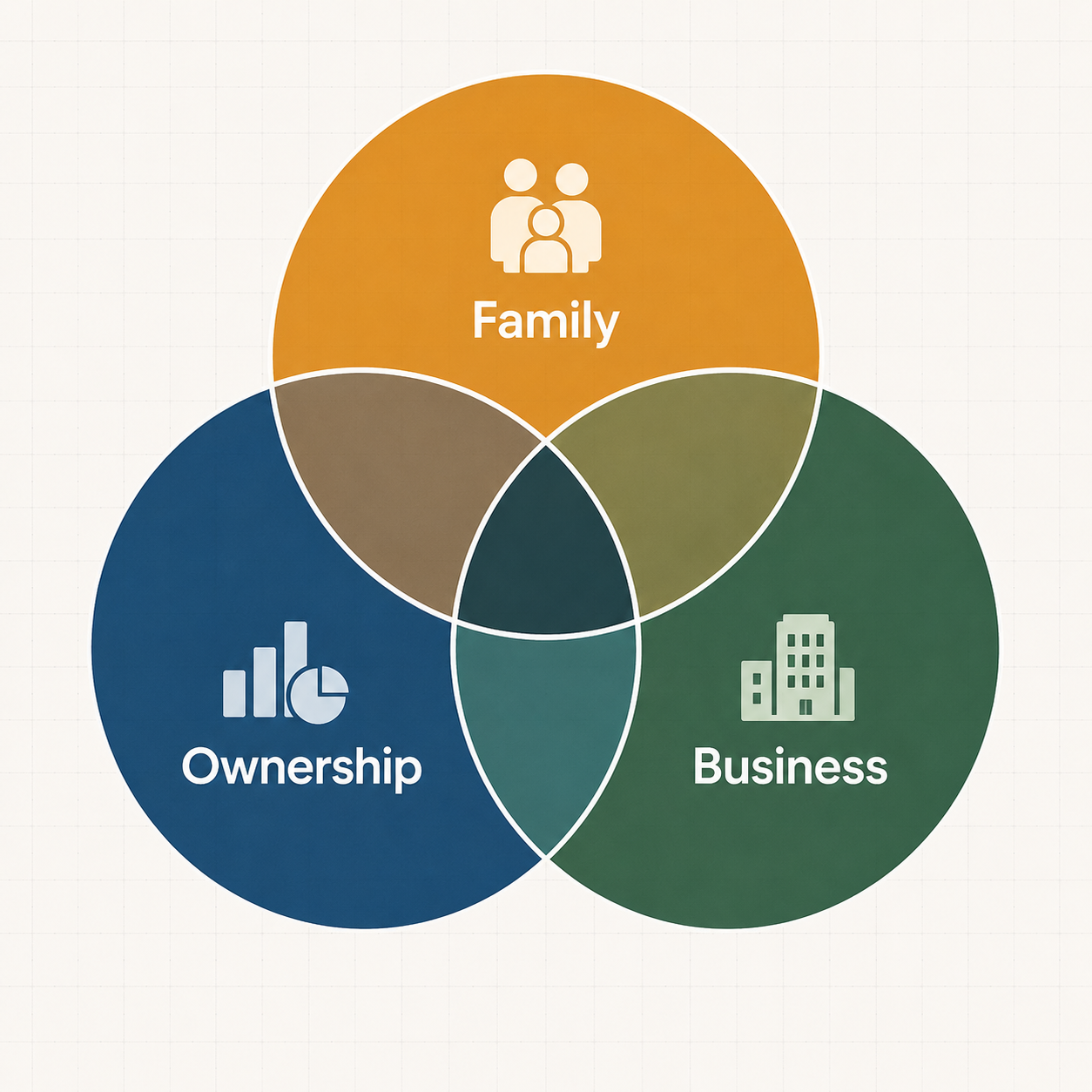
Structure Your Family Business Org Chart for Productivity
Family businesses lose up to 5% of productivity to role ambiguity and decision bottlenecks. This guide shows how to design an org chart that separates family governance from operations, assigns roles by competence, and enforces clear reporting lines — turning the chart into a practical productivity tool.

How Much Time Can Grocery Delivery Apps Save You?
Grocery delivery apps can save you 30 minutes to 2 hours per week for a roughly 10% cost premium. This article breaks down the real time savings and tradeoffs of curbside pickup versus full delivery, and which app best fits your lifestyle.

How to Be Productive with OCD Without Burning Out
OCD creates a productivity paradox where intense effort leads to less output. This article explains why and offers strategies that work—time-limited checking, buffer scheduling, and when to seek clinical support.
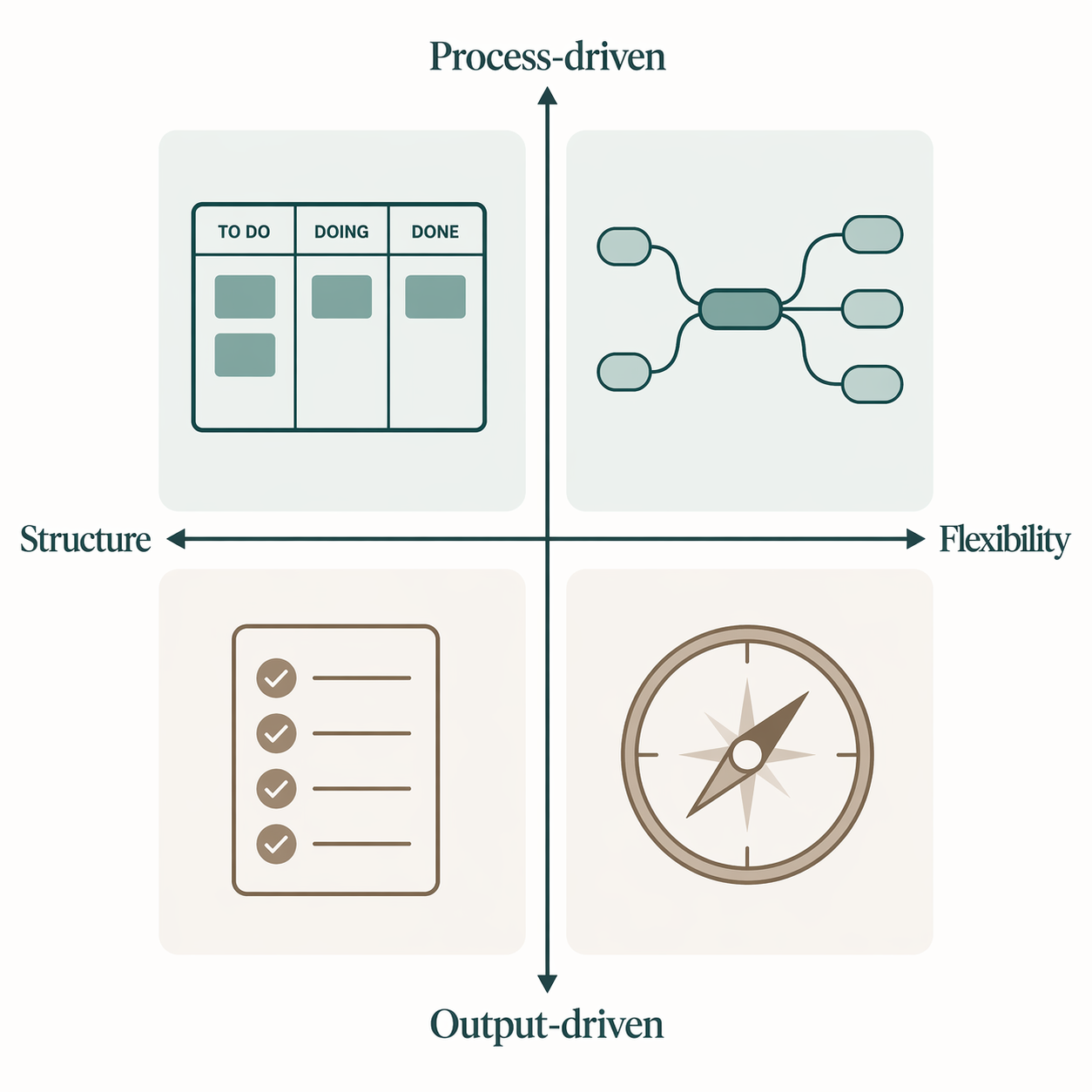
Productivity Is Personal: A Diagnostic Guide to Matching Methods to Your Work Style
A diagnostic framework to help knowledge workers identify their dominant productivity pain points and match them to compatible methods — no more wasting weeks on the wrong system.

Relieve Thumb Pain from Phone Use and Stay Productive
If your thumb hurts from texting and scrolling all day but you can't quit your phone, this guide covers practical exercises, ergonomic adjustments, and voice-to-text swaps that relieve pain without cutting your output.

Can School Social Media Bans Boost Student Productivity?
New evidence from the largest study of school phone bans shows that while bans reduce distraction, academic improvements follow a distinct J-curve and depend heavily on implementation and enforcement. This article synthesizes the research to help educators and parents understand what actually works.

Task Chaining: How to Redesign Your Workflows for ML Automation
Learn how to redesign your workflows for maximum ML impact by clustering AI-compatible tasks into continuous sequences — a method MIT Sloan researchers call task chaining. This article provides a 5-step framework for auditing, re-clustering, and measuring success, with real-world examples from customer support, HR, and sales.

Why Most Personal Knowledge Management Systems Fail (And How to Design One That Won't)
Most PKM systems fail not because of lack of discipline, but because they assume single-format, single-tool workflows. This article diagnoses the structural flaws behind the five common failure patterns and offers three solutions to build a system that survives real-world, multi-format knowledge work.

How to Map and Improve Your Team’s Workflows in Six Steps
Learn a repeatable six-step method for mapping, analyzing, and improving your team's business workflows — no expensive software or consultants required. This guide covers the techniques and notation you need to document and optimize your processes today.
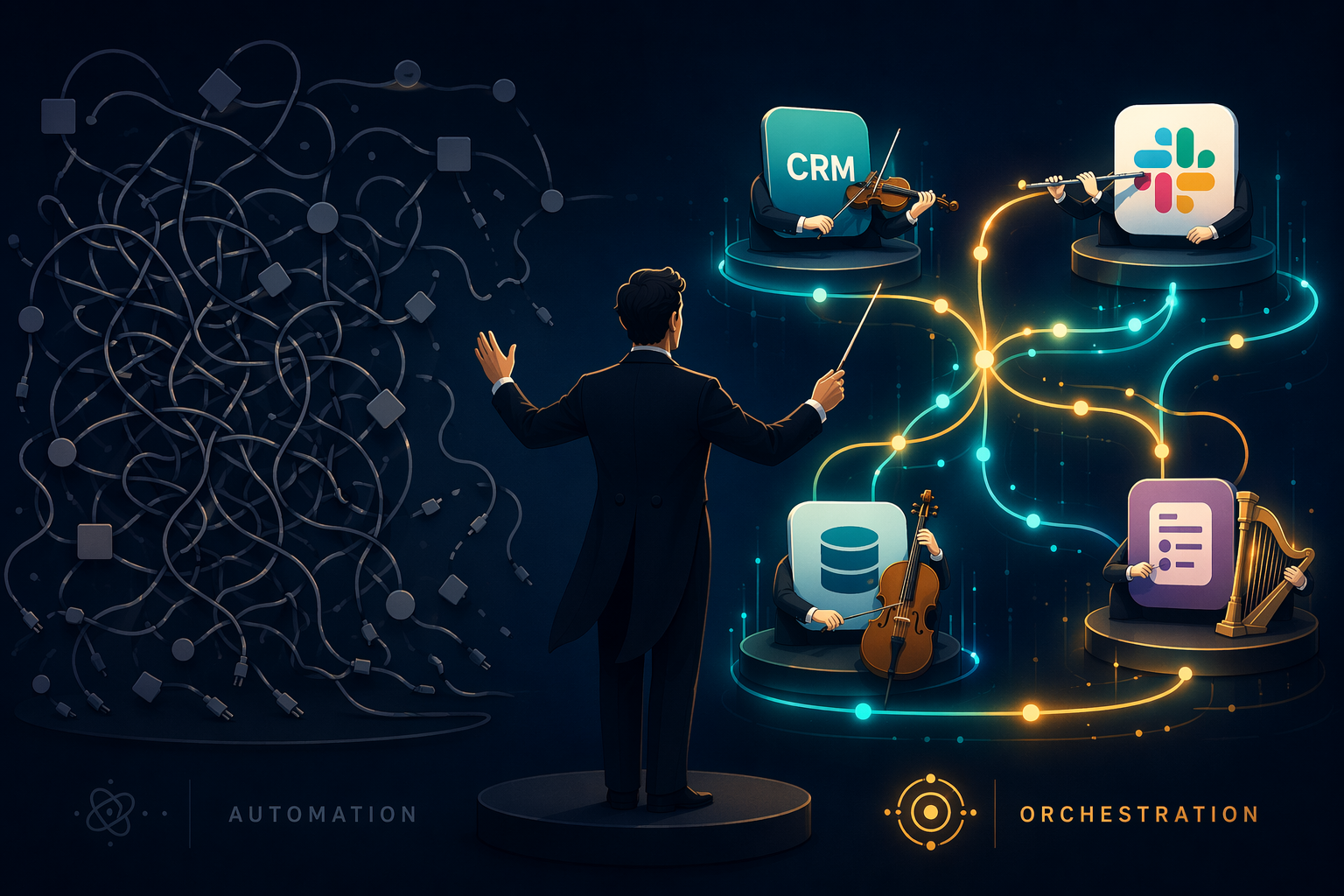
Workflow Orchestration vs Automation: The 4-Question Litmus Test to Know If You've Outgrown Simple Tools
Most teams start with basic automation and only realize they need orchestration when processes break silently. This guide provides a diagnostic framework, real-world failure patterns, and a tools spectrum to help knowledge workers and ops leads decide when to layer orchestration on top of existing automation.