
Next Step
Setup
Configuration guides for an app the reader has already chosen or just migrated into: vault and folder structures, PARA-method or second-brain setups, starter plugin sets, and template starting points, scoped tightly to personal knowledge management rather than general productivity advice. Serves readers at a distinct, later task stage than Comparisons or Migrations: the decision is made, and they need the tool working. Excludes app-vs-app evaluation and migration mechanics entirely. Each guide is reached primarily as the 'next step' link from the matching migration guide or tool profile, not as standalone blog browsing.

How to Use a Fan as a Fly Repellent for Outdoor Dining
This article explains how any household fan—box fan, pedestal fan, or desk fan—can keep flies away from your outdoor dining table using airflow. You'll learn the entomology-backed wind-speed science, proper placement tips, and when this chemical-free hack works best.

Google Keep vs. NotebookLM vs. Gemini: Which Google Note-Taking App Should You Use in 2026?
Google now offers three distinct note-taking tools: Keep for lightning-fast capture, NotebookLM for source-grounded research, and Gemini with its new Notebooks feature for project orchestration. This guide helps knowledge workers and students in the Google ecosystem decide which tool fits their workflow — and how to combine all three.
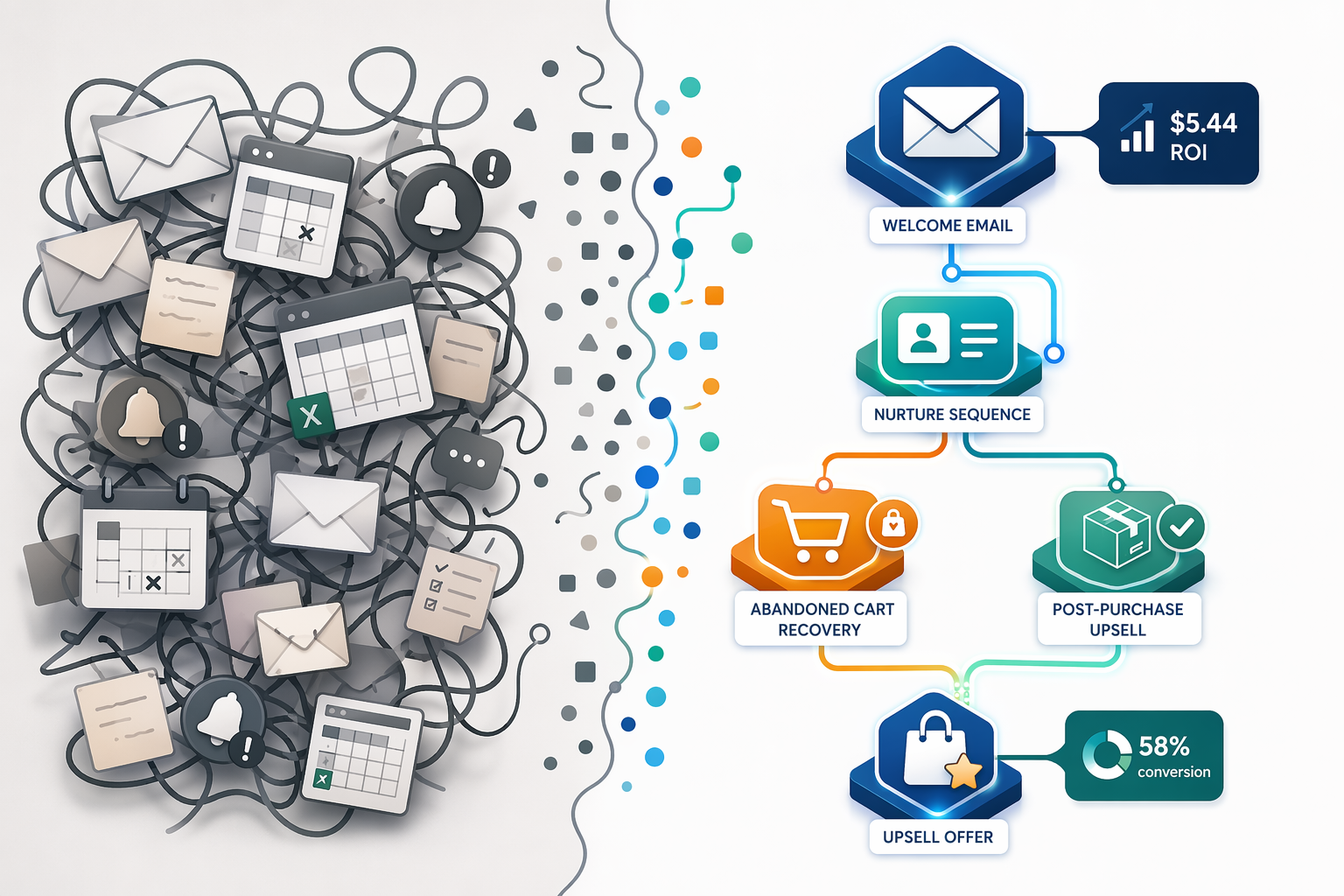
Marketing Automation Workflow ROI Playbook: 8 Proven Workflows That Deliver $5.44 Per $1 Spent
This ROI playbook for marketing managers and SMB owners profiles eight specific workflow types — welcome series, abandoned cart, lead nurture, post-purchase, re-engagement, price-drop alerts, upsell/cross-sell, and feedback collection — with per-workflow benchmark data, trigger structures, and an integration checklist that explains why top-quartile programs achieve $8.71 per dollar while bottom-quartile programs earn just $1.92.

Best Note-Taking Sites for Students (2026): Apps for Lectures, PDFs, and Group Study
A practical guide to choosing the best note-taking app for college and graduate students, covering typed notes, handwriting, PDF annotation, audio recording, and group collaboration. Includes student discounts, major-by-major advice, and budget-first vs. ecosystem-first decision paths.

How to Time and Dose Your Coffee for Maximum Productivity
A science-backed protocol that uses body-weight dosing, circadian timing, and strategic nap pairing to turn coffee into a precision productivity tool without jitters or sleep disruption.
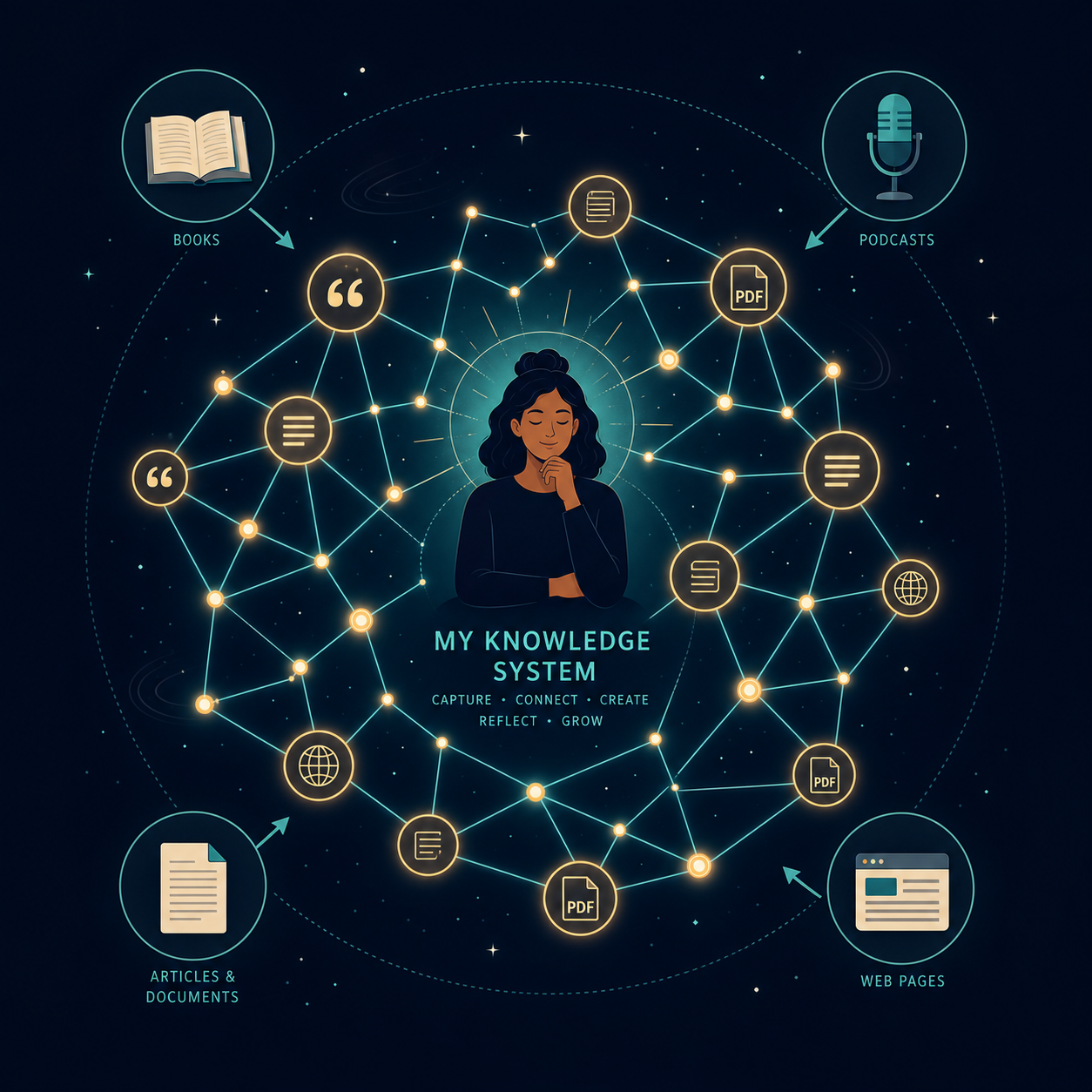
Which PKM System Is Right for You? A Framework-First Decision Guide to PARA, Zettelkasten, and BASB
Stop choosing tools before you understand the method. This guide compares three proven PKM frameworks — PARA, Zettelkasten, and BASB — and helps you pick the one that fits your work style, then recommends the right tools for 2026.

How to Prevent Ransomware Attacks With a Human Firewall
A practical framework for turning your team into a human firewall — the most cost-effective ransomware prevention layer for small businesses without a security department. Learn how recognition, verification, and reporting protocols stop attacks before encryption begins.

How to Boost App Development Productivity With Vibe Coding
Vibe coding can deliver massive speedups on greenfield app development, but without structure, codebases become unmanageable within weeks. This article explains a spec-driven workflow—PRD-first, vertical-slice implementation, and AI rules—that sustains 20-50x productivity gains while keeping your code maintainable.

Why You Need to Declutter Your Life for Productivity
Clutter costs U.S. businesses an estimated $89 billion a year and steals over 4 hours per week from knowledge workers just searching for papers. This article explains the science behind that hidden productivity tax and delivers a three-layer protocol to eliminate physical, digital, and mental clutter.

Why Your Personal Knowledge Management System Keeps Failing — and How to Build One That Lasts
Most PKM systems collapse within months because they prioritize neat filing over actually getting information back out. This article explains the four jobs every system must do, why retrieval is the make-or-break step, and how a minimum viable setup—one capture surface, one framework, one weekly review—can survive a busy schedule.

Wildfire Smoke's Impact on Knowledge Worker Focus
Research shows wildfire smoke measurably reduces attention and cognitive performance within hours of exposure. Learn how to protect your output during smoke events with practical indoor air quality strategies.
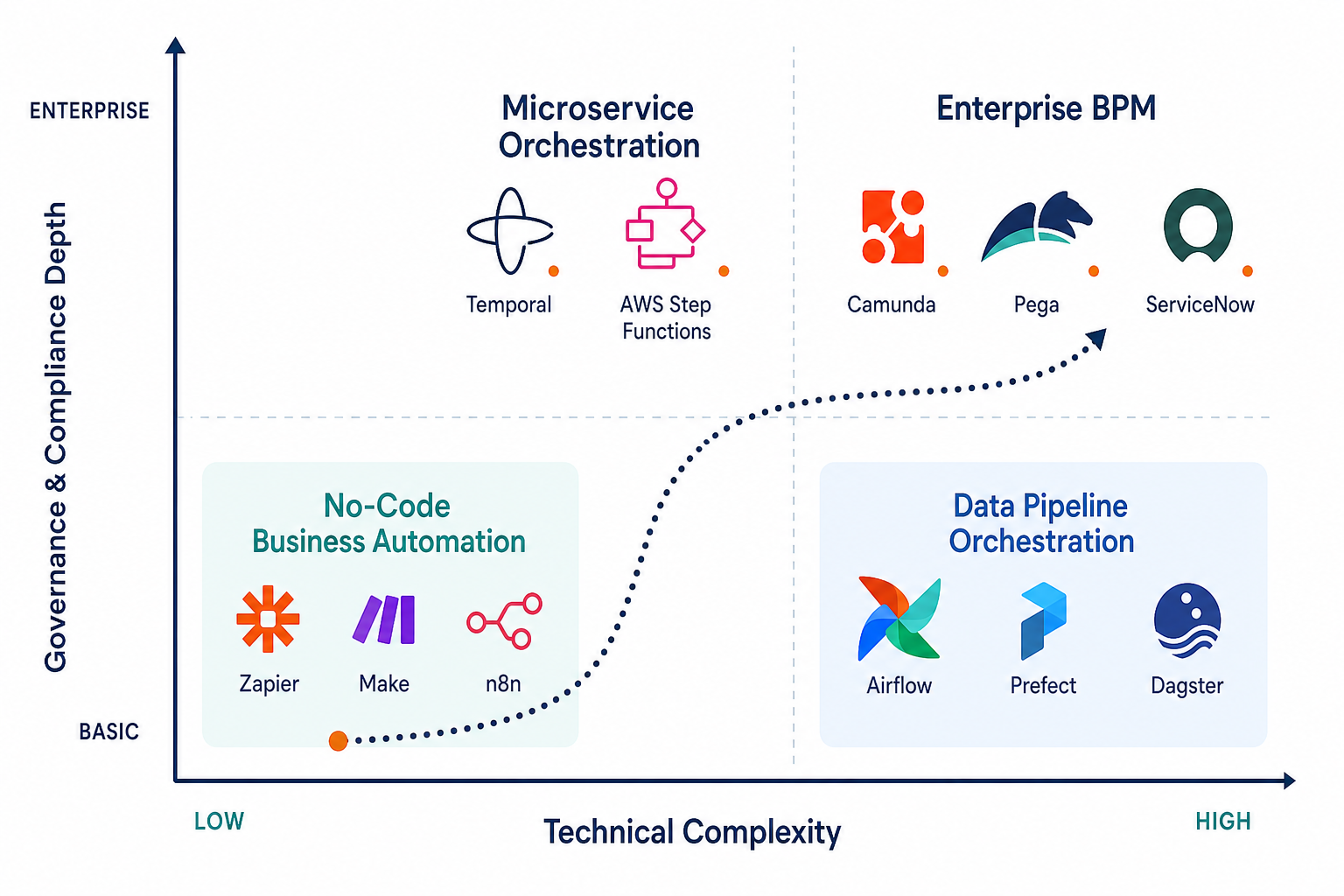
Workflow Orchestration Tools in 2026: A Four-Tier Comparison for Operations Leads and IT Managers
This guide helps operations leads, IT managers, and knowledge workers navigate the 2026 workflow orchestration market by organizing tools into four distinct tiers — no-code automation, data pipeline orchestration, enterprise BPM, and microservice orchestration — with a structured comparison table, deep dives on 8–10 tools, and a quick-pick guide by persona.