
Declaration Desk
Comparisons
Head-to-head comparisons between two apps (rarely three) on a fixed set of decision axes: pricing, offline/local-first support, export format and lock-in risk, collaboration, and platform coverage. Every comparison carries a visible last-verified date, an honest 'not for you if' section, and a note confirming pricing was checked directly against vendor pages with no undisclosed affiliates. Serves readers who know roughly what they're choosing between but haven't committed to a move yet. Does not walk through the mechanics of an actual migration (Migrations) and does not describe a single app on its own (Profiles). Every comparison links to the matching migration guide(s) in either direction and to both apps' Profiles.
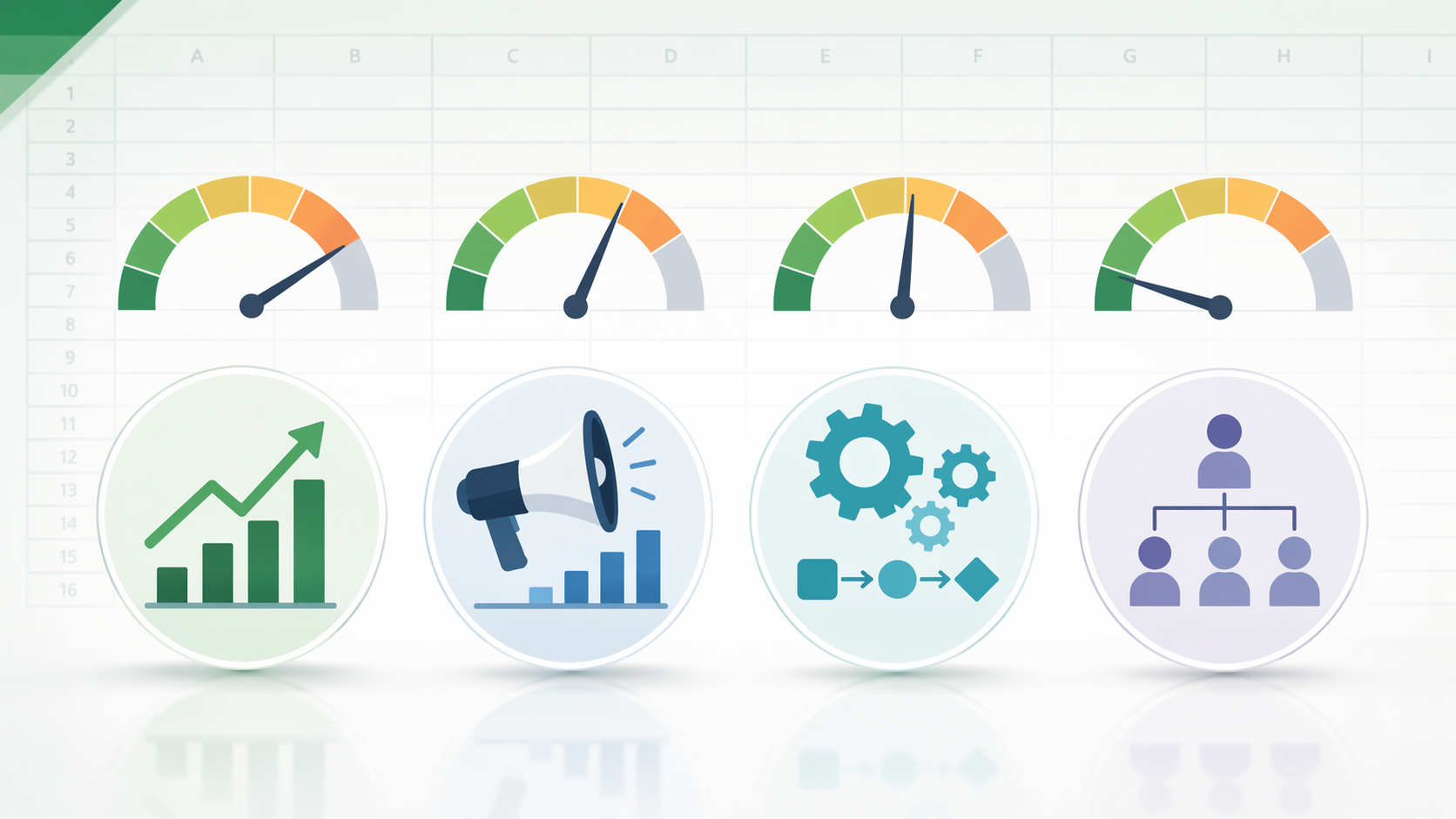
Excel Copilot Data Analysis: 12 Prompts for Finance, Marketing, Operations, and HR
This article provides 12 tested Excel Copilot prompts organized by job function—finance, marketing, operations, and HR—with source-backed expectations of what each prompt can achieve and where Copilot's current limitations become apparent.

How to Find Unclaimed Savings Bonds Now That Treasury Hunt Is Gone
Treasury Hunt was retired in September 2025. This guide explains how to use free state unclaimed property databases — the new official method — to locate lost savings bonds, with a backup option for complex cases.

Good Note-Taking Apps Start with How You Retrieve, Not What They Offer
Most note-taking apps fail because they don't match how you actually find and use your notes. This guide helps you diagnose your retrieval style — database, graph, flat search, or AI-cited — then shows you the apps that fit each style.
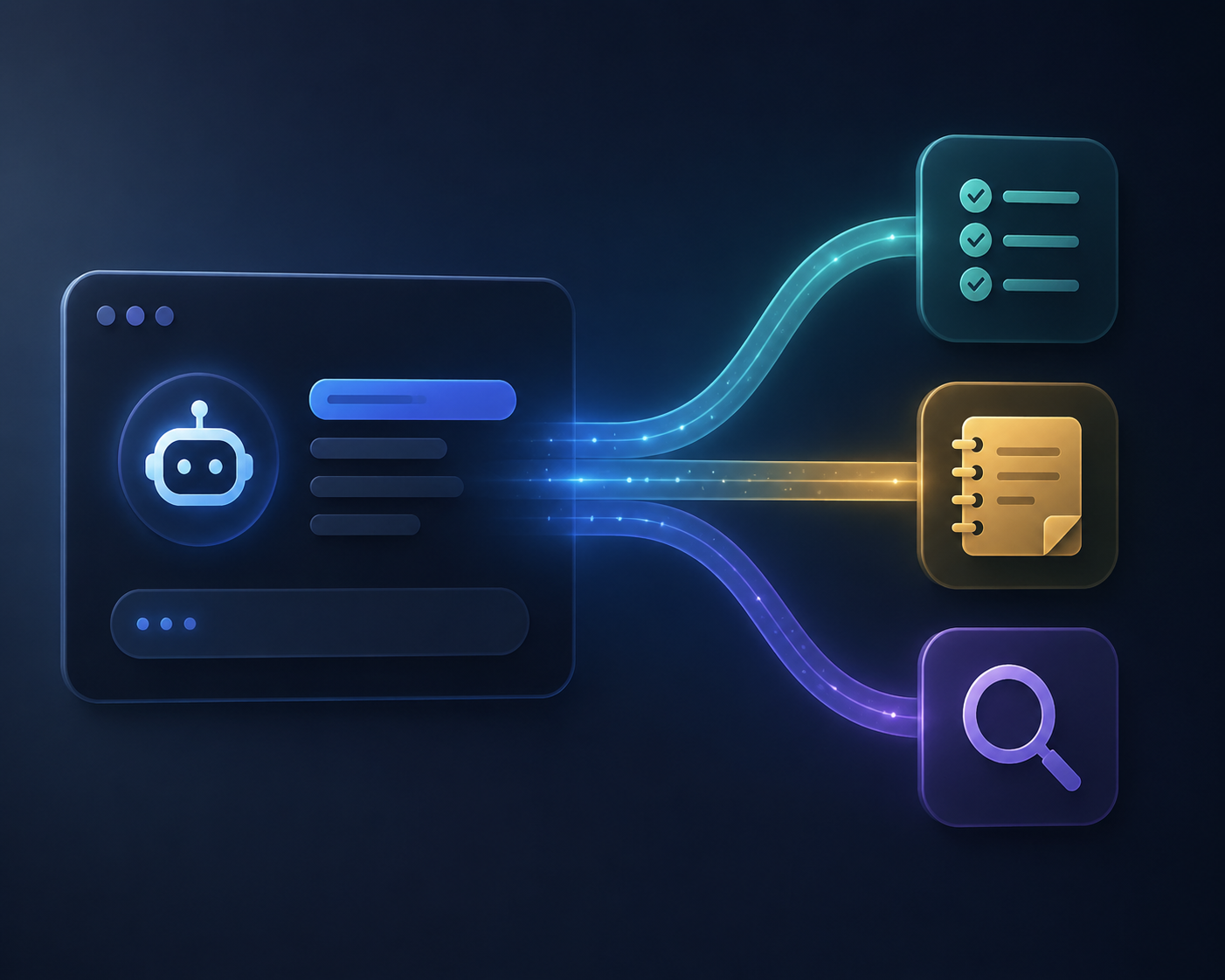
MCP Tools for Personal Productivity in 2026: Which Servers Are Worth the Setup?
A structured comparison of MCP servers for task management, note-taking, communication, research, and automation. Learn which servers have official one-click setup, which require terminal configuration, and how to combine 2–3 servers for the biggest productivity gain.

The Best Note-Taking Device in 2026 Starts With Your Lane
Stop comparing specs in isolation. This guide helps you choose the right note-taking device by first identifying your primary workflow lane—writing-first, reading-first, or do-both—and then matching it to the best device for how you actually work.
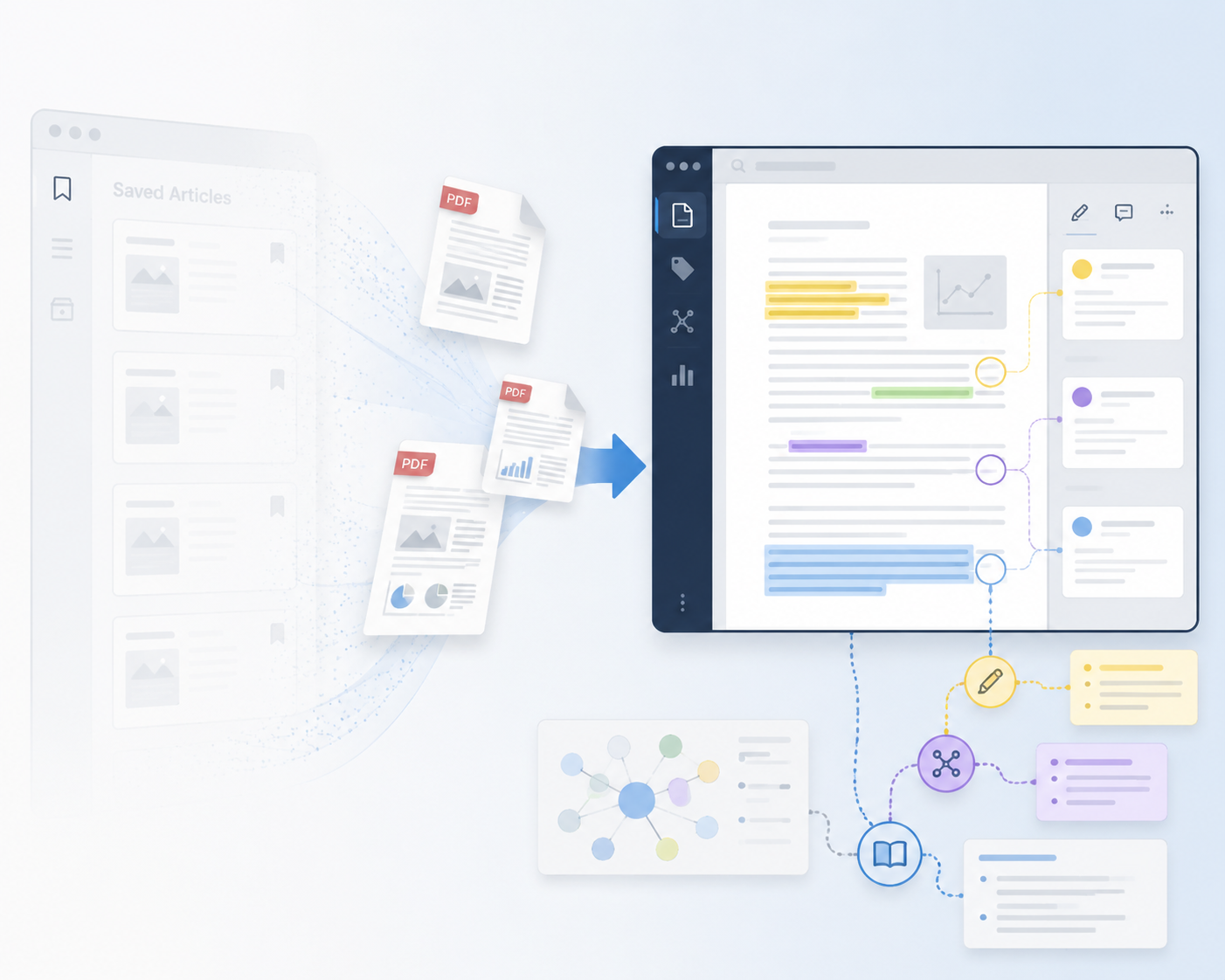
Readwise Reader vs Pocket for Research: Choosing a Replacement After Pocket's Shutdown
This comparison helps researchers who relied on Pocket decide whether Readwise Reader is the right replacement, covering features, pricing, academic discount, and limitations like lack of citation management.

Workflow Automation Tools for Non-Technical Users: Which Gets You Running in 2026?
This comparison helps non-technical solopreneurs and freelancers choose a workflow automation tool based on how quickly they can start automating tasks like lead capture, invoicing, and social posting. It profiles Zapier, Make, IFTTT, Integrately, and Activepieces, with verdicts on which tools offer the fastest path to a working automation and which sustain growth without hitting pricing ceilings.

Zapier vs Make vs n8n — How to Choose Your Workflow Automation Platform
A structured comparison of Zapier, Make, and n8n covering pricing, integrations, ease of use, and data control to help knowledge workers and teams pick the automation platform that fits their technical ability, volume, and security needs.
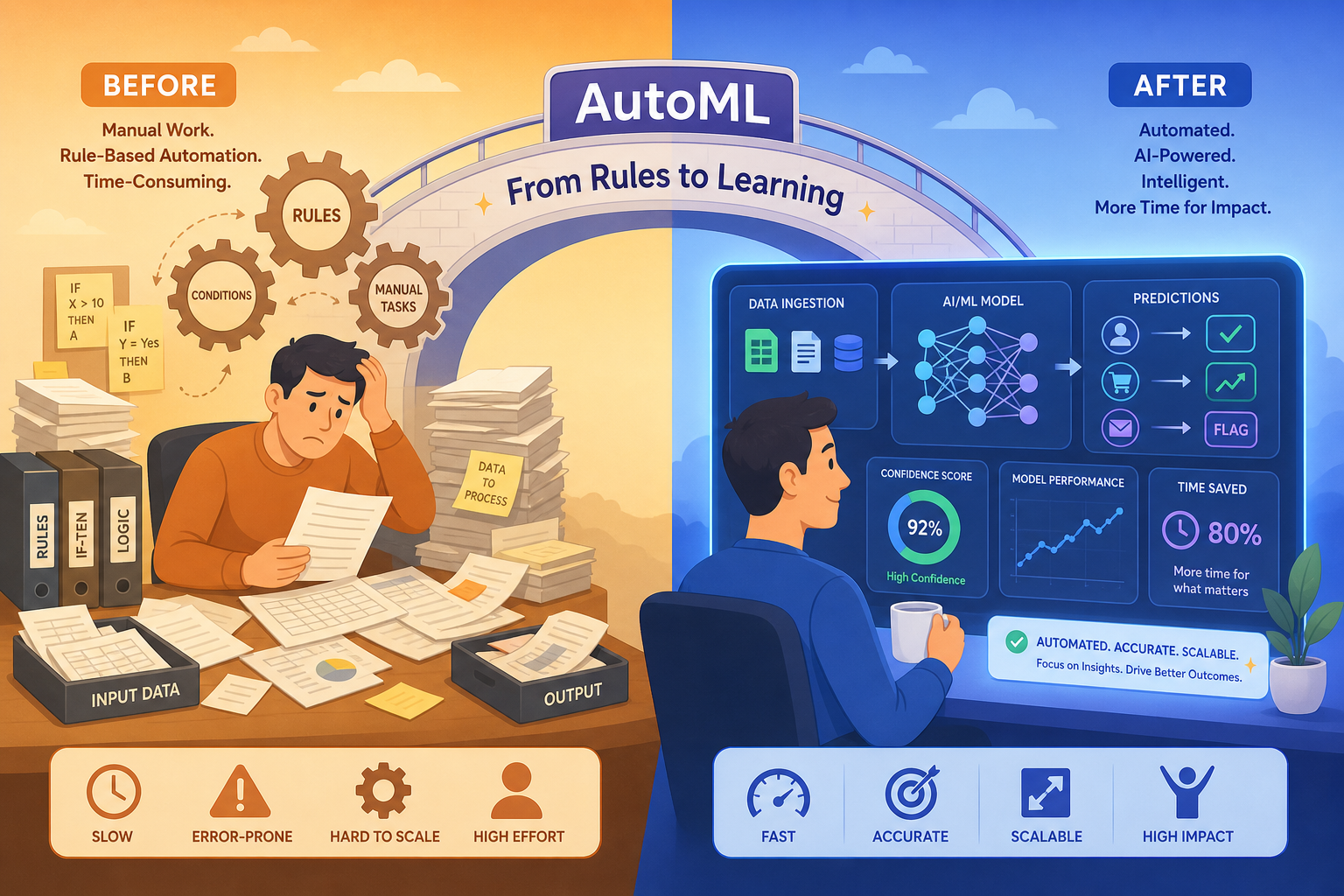
7 Best AutoML Platforms for Workflow Automation in 2026 (Tested & Compared)
A practical comparison of the leading AutoML platforms for non-developers and team leads. We organize the 2026 landscape into cloud-managed, open-source, and no-code categories, helping you choose between vendor lock-in, flexibility, and speed for your specific workflow automation use case.

The AI Inflection Point in Enterprise Workflow Management: How AI Agents, Natural-Language Builders, and Predictive Analytics Are Reshaping the 2026 Platform Landscape
This article helps technology-forward operations leaders and IT decision-makers evaluate how AI capabilities in enterprise workflow platforms translate to real productivity gains. It covers the three concrete AI features that matter now, compares platform-by-platform AI offerings and pricing models, and provides a framework for navigating the pilot-to-production scaling gap.
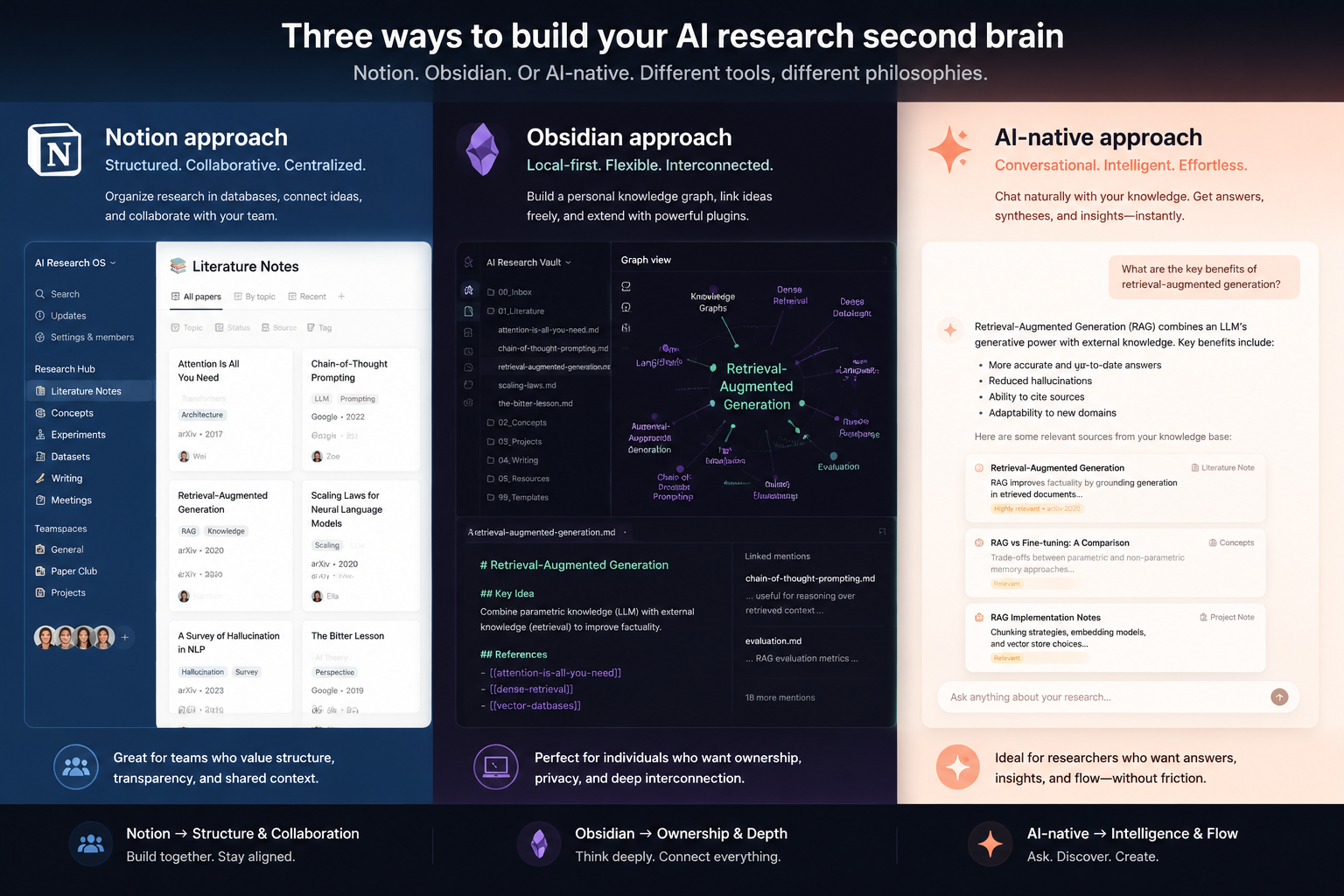
Notion vs Obsidian vs AI-Native: Which Second Brain Approach Works for AI Research
This comparison evaluates Notion-based templates, the Obsidian+Zotero+AI plugin stack, and AI-native tools for AI/ML researchers who need to organize papers, experiments, and citations. It helps you choose based on setup effort, long-term maintenance, and research-specific features.
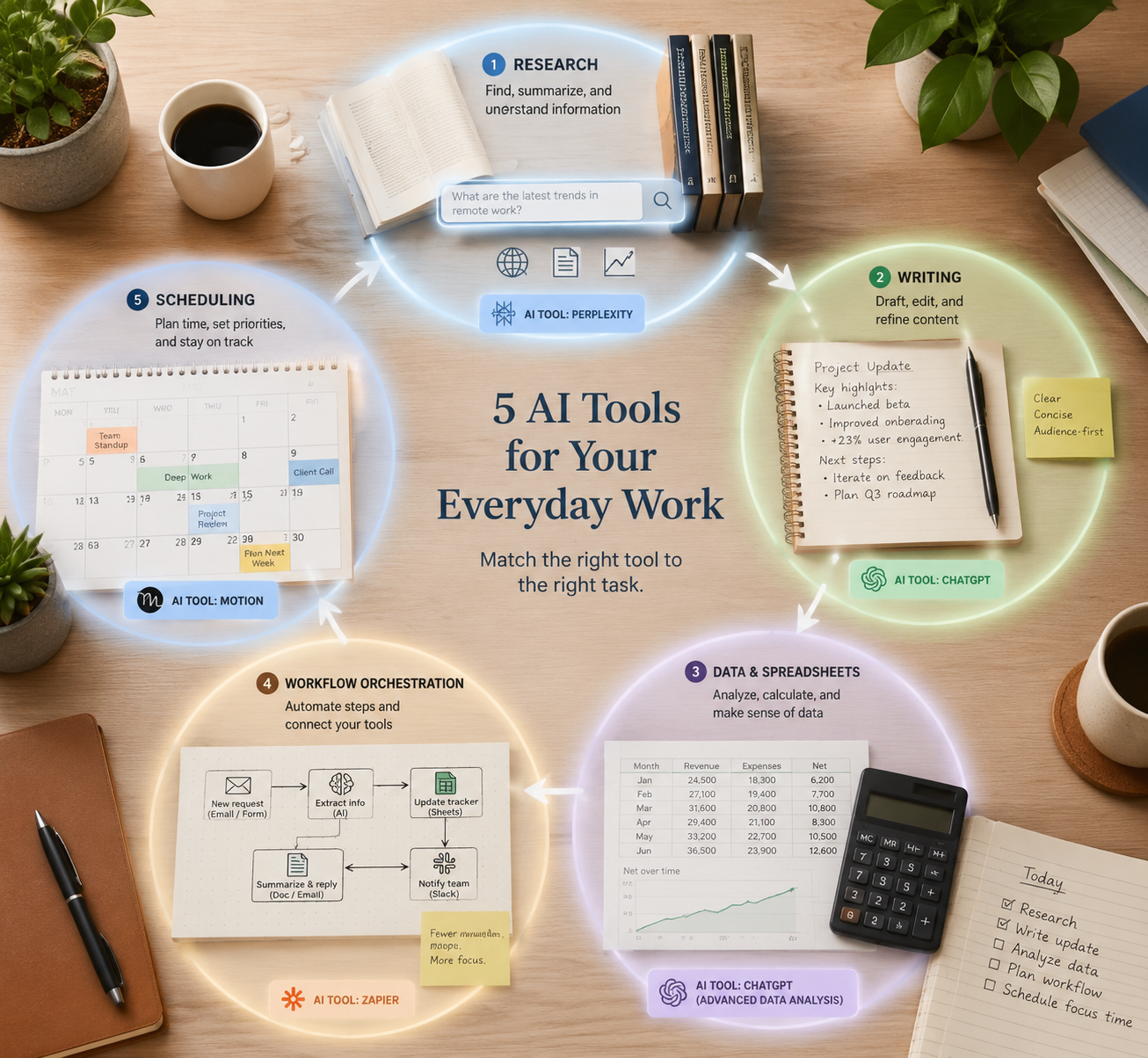
Best AI Task Automation Tools for Knowledge Workers in 2026: Picking by the Work You Actually Do
This article helps knowledge workers choose the right AI automation tool by breaking down options by five common task types — research, writing, data work, multi-app workflows, and scheduling — rather than vendor categories. It includes a task-type mapping table, pricing comparisons with last-verified dates, and honest 'not for you if' flags to avoid mismatches.