
Declaration Desk
Comparisons
Head-to-head comparisons between two apps (rarely three) on a fixed set of decision axes: pricing, offline/local-first support, export format and lock-in risk, collaboration, and platform coverage. Every comparison carries a visible last-verified date, an honest 'not for you if' section, and a note confirming pricing was checked directly against vendor pages with no undisclosed affiliates. Serves readers who know roughly what they're choosing between but haven't committed to a move yet. Does not walk through the mechanics of an actual migration (Migrations) and does not describe a single app on its own (Profiles). Every comparison links to the matching migration guide(s) in either direction and to both apps' Profiles.
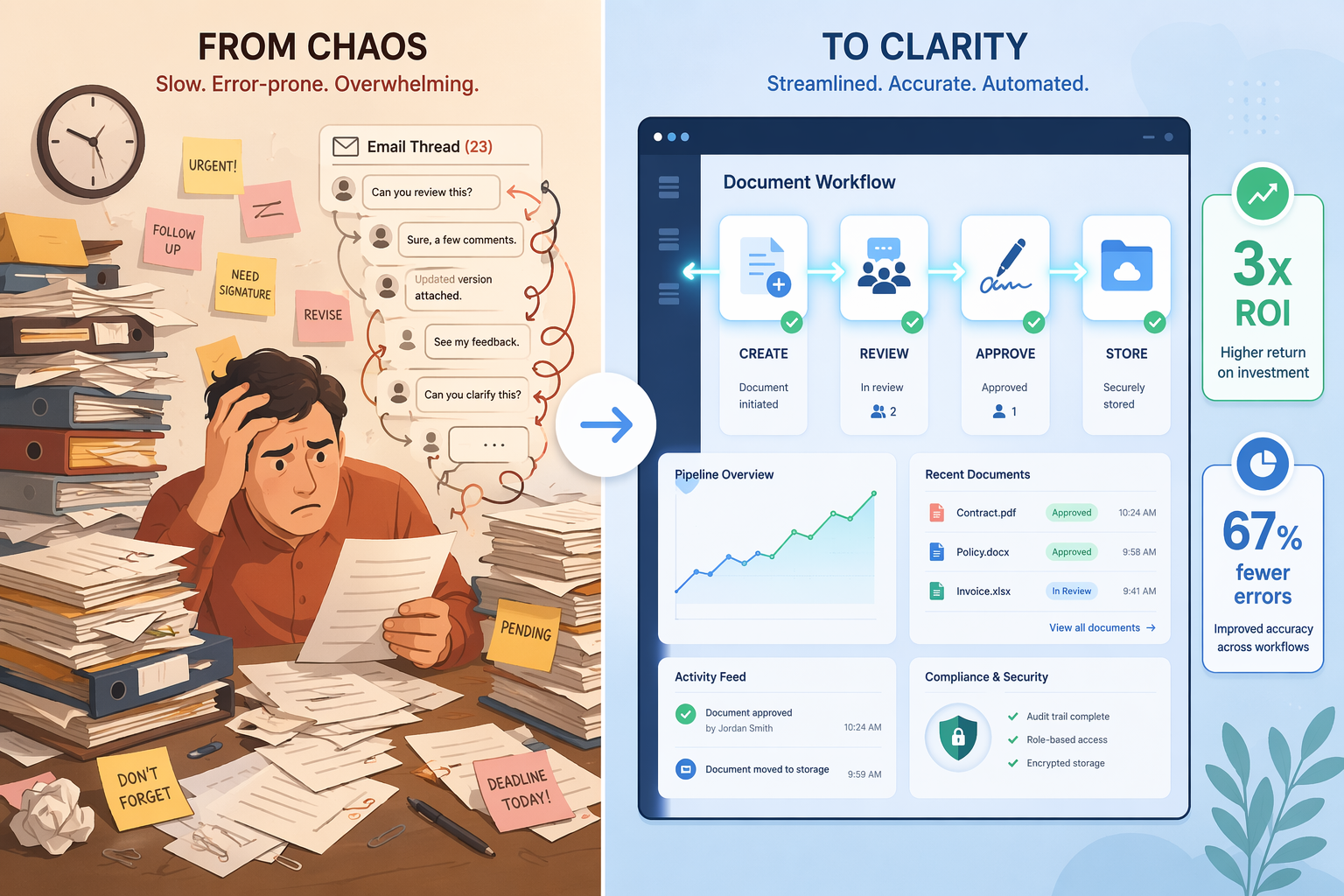
Document Workflow Automation ROI: What the Numbers Say in 2026 and How to Build the Business Case
This article provides operations directors, finance managers, and decision-makers with the hard ROI data needed to justify document workflow automation investment. It covers where savings come from, industry-specific examples, payback timelines, a KPI framework for measuring success, and a comparison of how different tool tiers map to ROI outcomes.

Document Workflow Automation Tools Compared: API-First, No-Code, and All-in-One Suites
This comparison sorts the leading document workflow automation platforms into three market tiers — API-first developer tools, no-code workflow platforms, and all-in-one document suites — helping you match the right category to your team's technical skills, data sensitivity, and budget.
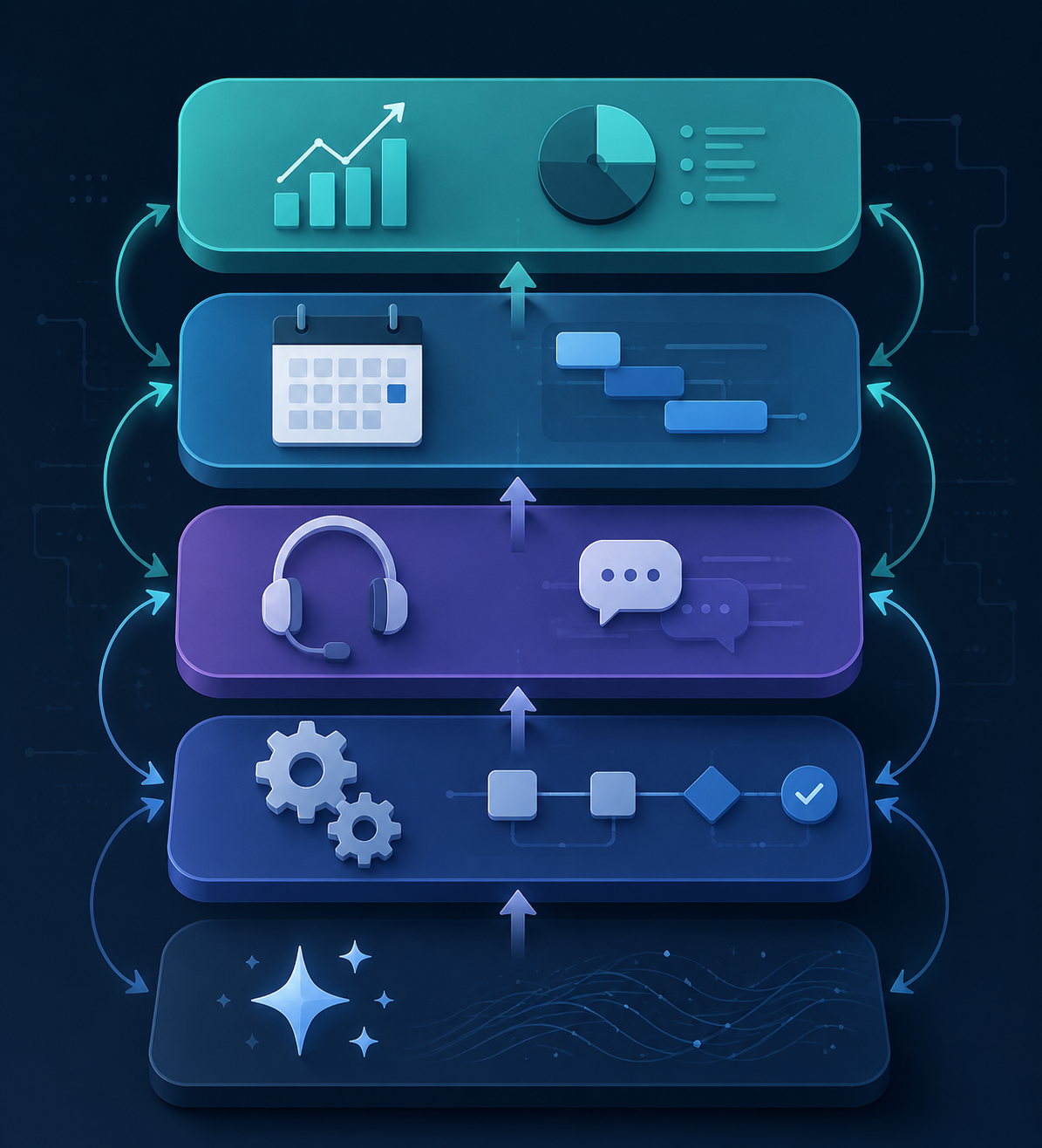
The Entrepreneur’s AI Stack: 5 Layers Compared by Business Function
A structured comparison of AI tools for entrepreneurs across five business layers — general assistant, automation, customer support, meetings, and analytics — with cost estimates and stage-based adoption advice to help you build a complete, budget-conscious stack.

Can School Social Media Bans Survive First Amendment Review?
Examines the First Amendment vulnerabilities of three pending federal bills that aim to restrict student social media access, explains why mandate-based approaches have been struck down in state courts, and identifies the incentive-based alternative that faces minimal constitutional risk.

The Best Free Note-Taking App for Students Is Actually Two Free Apps
A single free note-taking app often falls short for students. This comparison shows how pairing a lecture-capture tool with an organization app can improve recall, reduce exam stress, and keep your cost at $0 per year.

Galaxy Watch 8 productivity settings that replace phone checks
Learn the specific Galaxy Watch 8 settings and configurations that turn it into a daily productivity tool. This guide covers button remapping, widget stacks, Gemini voice shortcuts, and custom Modes to eliminate 30+ phone pickups per day.

Google Keep vs NotebookLM: Capture vs. Comprehension — How to Use Both
Google Keep and NotebookLM serve fundamentally different note-taking jobs: Keep is for rapid capture, NotebookLM for AI-powered comprehension. This head-to-head comparison explains when to use each — and why most productive users rely on both.
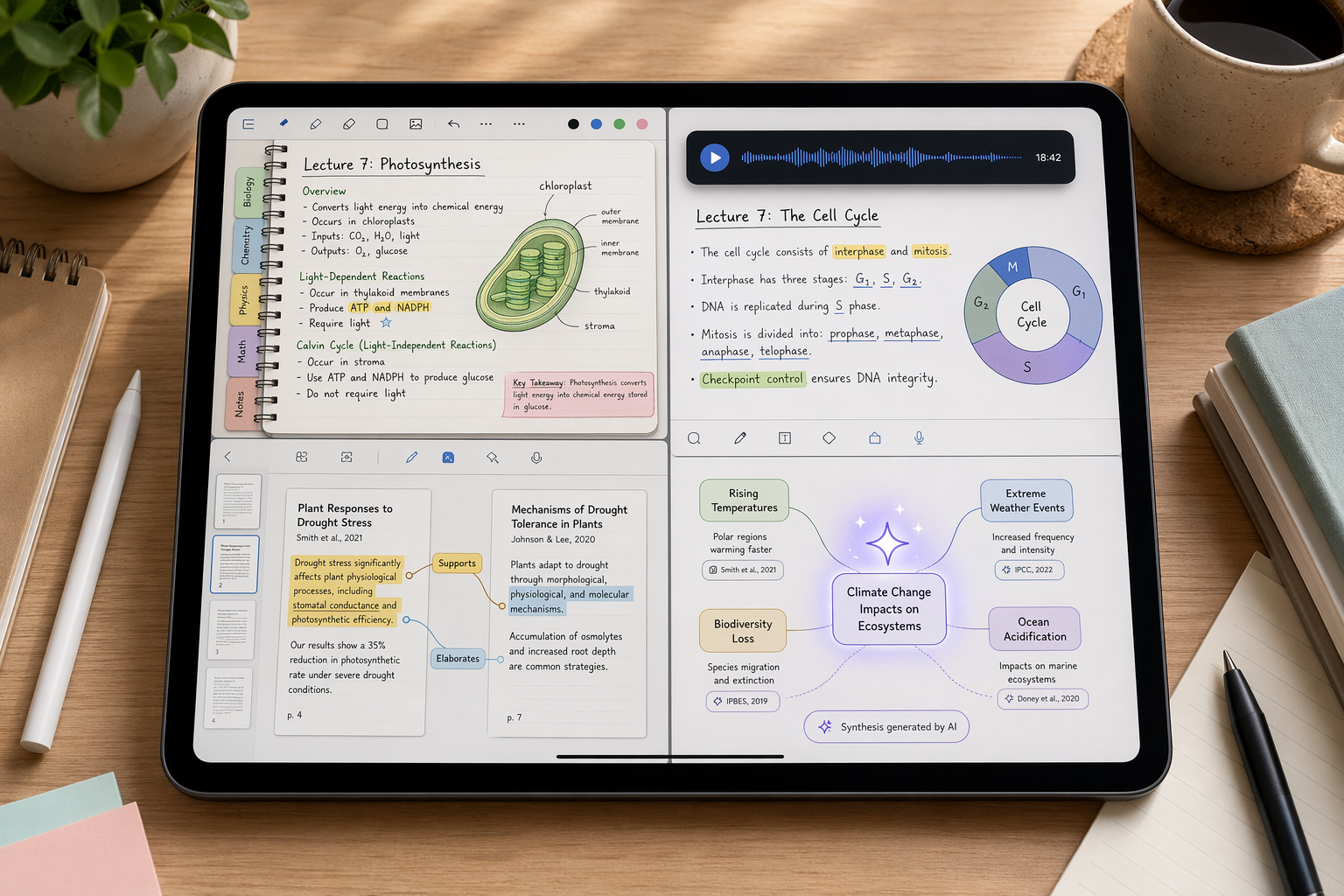
The Best iPad Note-Taking App Depends on Your Workflow
There’s no single best note-taking app for iPad. This guide helps you choose by matching apps like GoodNotes 6, Notability, Apple Notes, and LiquidText to your specific workflow — whether you’re a student, researcher, or knowledge worker.

Model Context Protocol for Non-Developers: What You Need to Know About MCP vs. Zapier and Make
This guide clarifies the distinction between the Model Context Protocol (MCP) as an AI-native standard and familiar automation platforms like Zapier and Make, helping non-developers understand when to use each approach and how they can work together.

No-Code vs. Enterprise RPA: How to Decide Which Process Automation Tool Your Team Needs
This article helps operations managers and team leaders decide whether they need a no-code automation tool, an enterprise RPA platform, or a middle-ground solution like n8n — before comparing individual vendors. By evaluating five key organizational factors, you can avoid the common mistake of choosing a tool that is either too limited or too expensive for your actual needs.
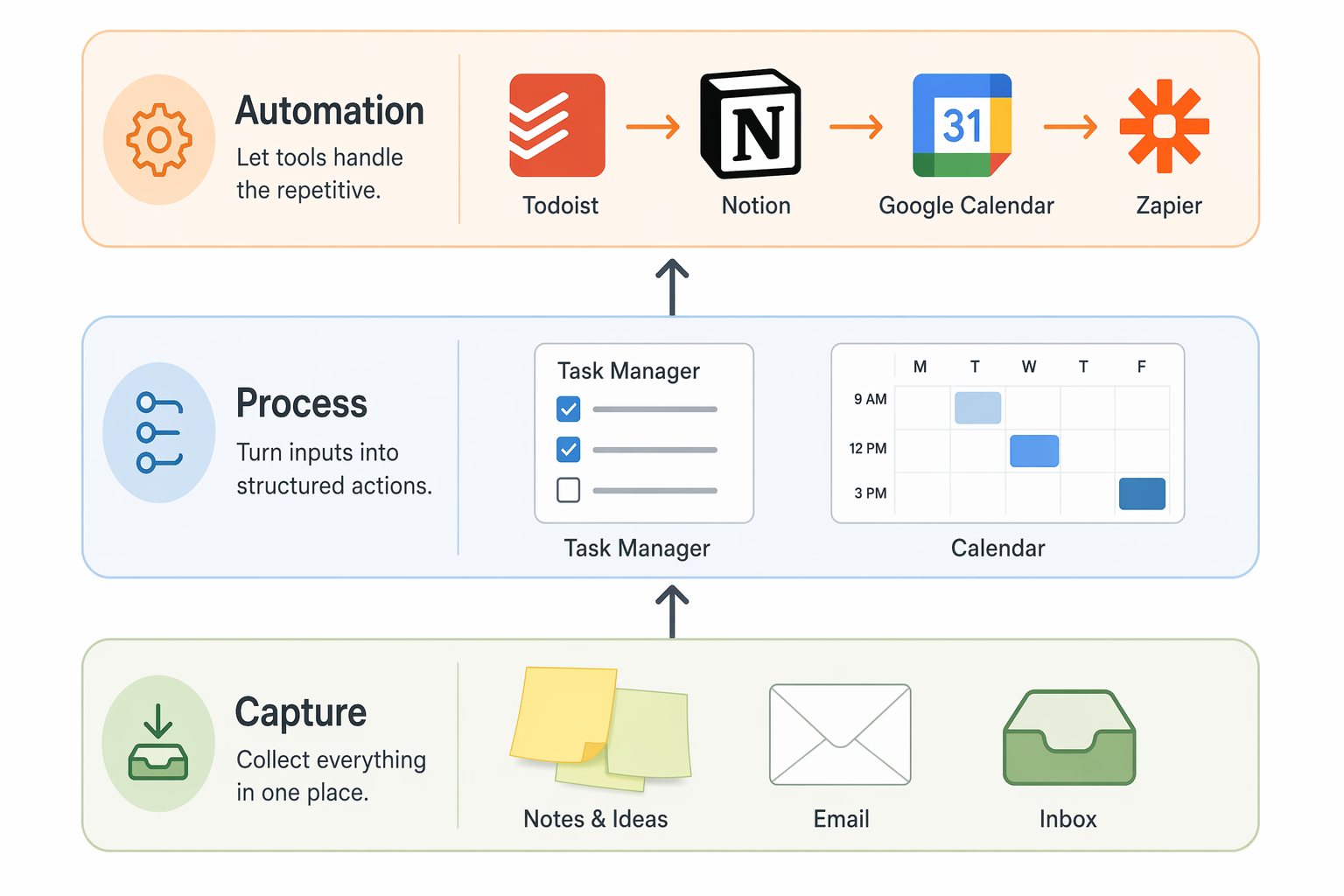
Personal Process & Workflow Management for Individuals: A Practical Guide to Building Your System Without Enterprise BPM
A practical guide for solo knowledge workers, freelancers, and students who need to build a personal process and workflow management system using everyday productivity tools. Covers a three-layer framework (Capture, Process, Automation), detailed blueprints for four recurring personal processes, and a tool-combination comparison table with setup estimates.

Power Automate Pricing 2026: What the Free Tier Actually Gets You (and Where the Costs Add Up)
Budget-conscious IT managers and team leads: Power Automate's free tier with Microsoft 365 looks generous, but three hard ceilings—premium connectors, desktop RPA, and API limits—push most real-world teams into paid plans. This pricing breakdown exposes what each tier actually includes, the hidden per-user math, and when competitors like Zapier or Make might be cheaper.