
Next Step
Setup
Configuration guides for an app the reader has already chosen or just migrated into: vault and folder structures, PARA-method or second-brain setups, starter plugin sets, and template starting points, scoped tightly to personal knowledge management rather than general productivity advice. Serves readers at a distinct, later task stage than Comparisons or Migrations: the decision is made, and they need the tool working. Excludes app-vs-app evaluation and migration mechanics entirely. Each guide is reached primarily as the 'next step' link from the matching migration guide or tool profile, not as standalone blog browsing.

Is Personal Knowledge Management Worth It? The Data-Driven Case
Data shows knowledge workers lose 1.8–2.5 hours daily to searching for information. This article builds the case that a personal knowledge management system can recover that time, making the upfront setup a net-positive investment within weeks.
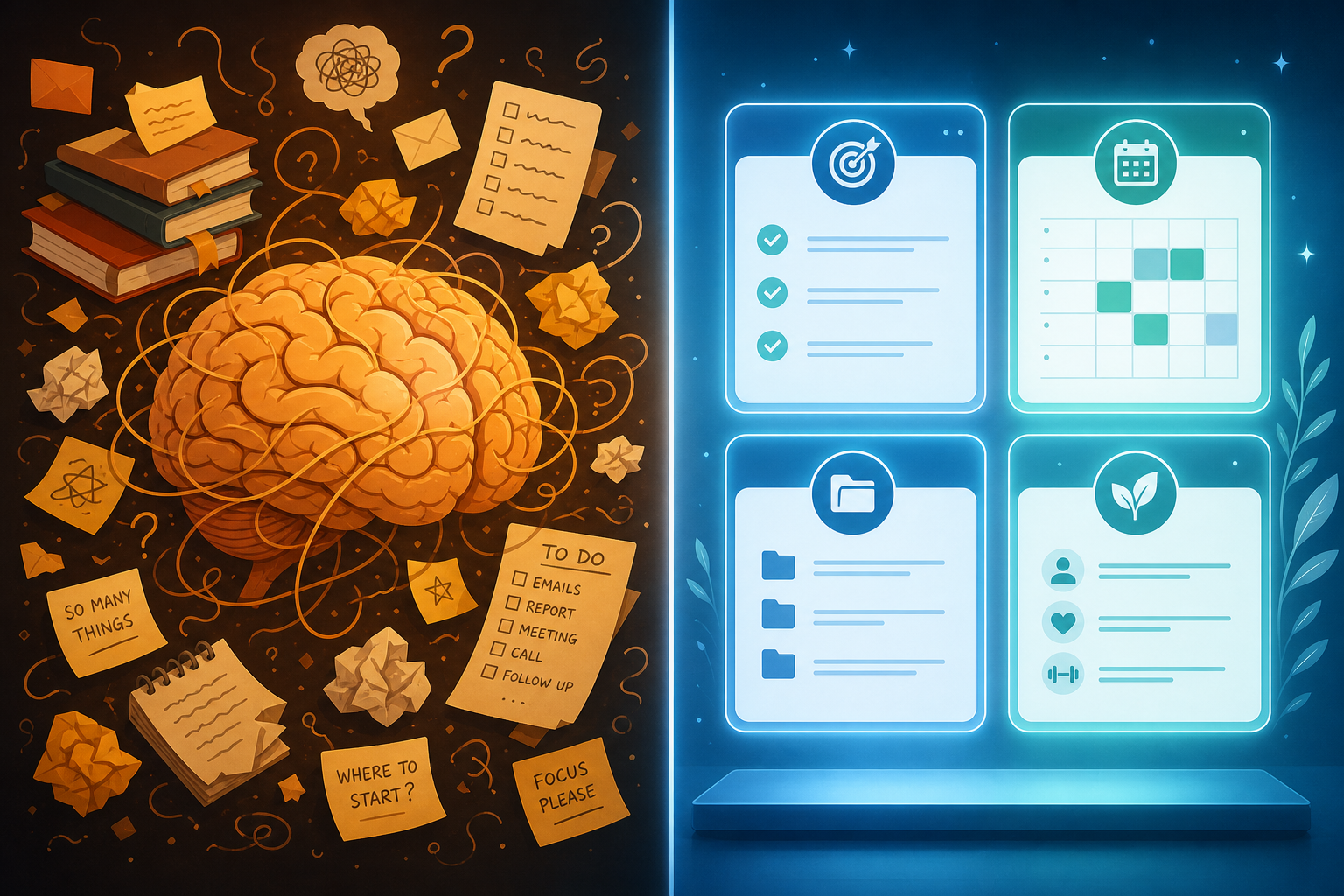
The Second Brain Method Explained: How CODE and PARA Turn Information Overload Into Useful Knowledge
A clear, jargon-free guide to the second brain method — what it is, how its two core frameworks (CODE and PARA) work together, how it compares to GTD and Zettelkasten, why most implementations fail, and how to start a working system in 15 minutes without over-engineering.

How to Stay Productive During Wildfire Smoke
Wildfire smoke causes measurable drops in attention and reaction time, but using a HEPA filter in your workspace, monitoring real-time AQI, and adjusting your work schedule can help maintain focus and output even on smoky days.

The Three Levels of Personal Knowledge Management — and Why Knowing Yours Changes Everything
Most PKM systems fail to produce insights because users operate at different maturity levels without realizing it. This article helps you diagnose whether your system is at Storage (L1), Thinking Partner (L2), or Model Revision (L3) and gives each level a concrete path forward.

Why Most People Quit PKM Apps (and How to Choose One You'll Actually Use)
Most people abandon personal knowledge management apps not because the tools lack features, but because of 12 predictable anti-patterns. This article identifies those traps and provides a retention-focused framework for choosing a PKM app you'll actually stick with.
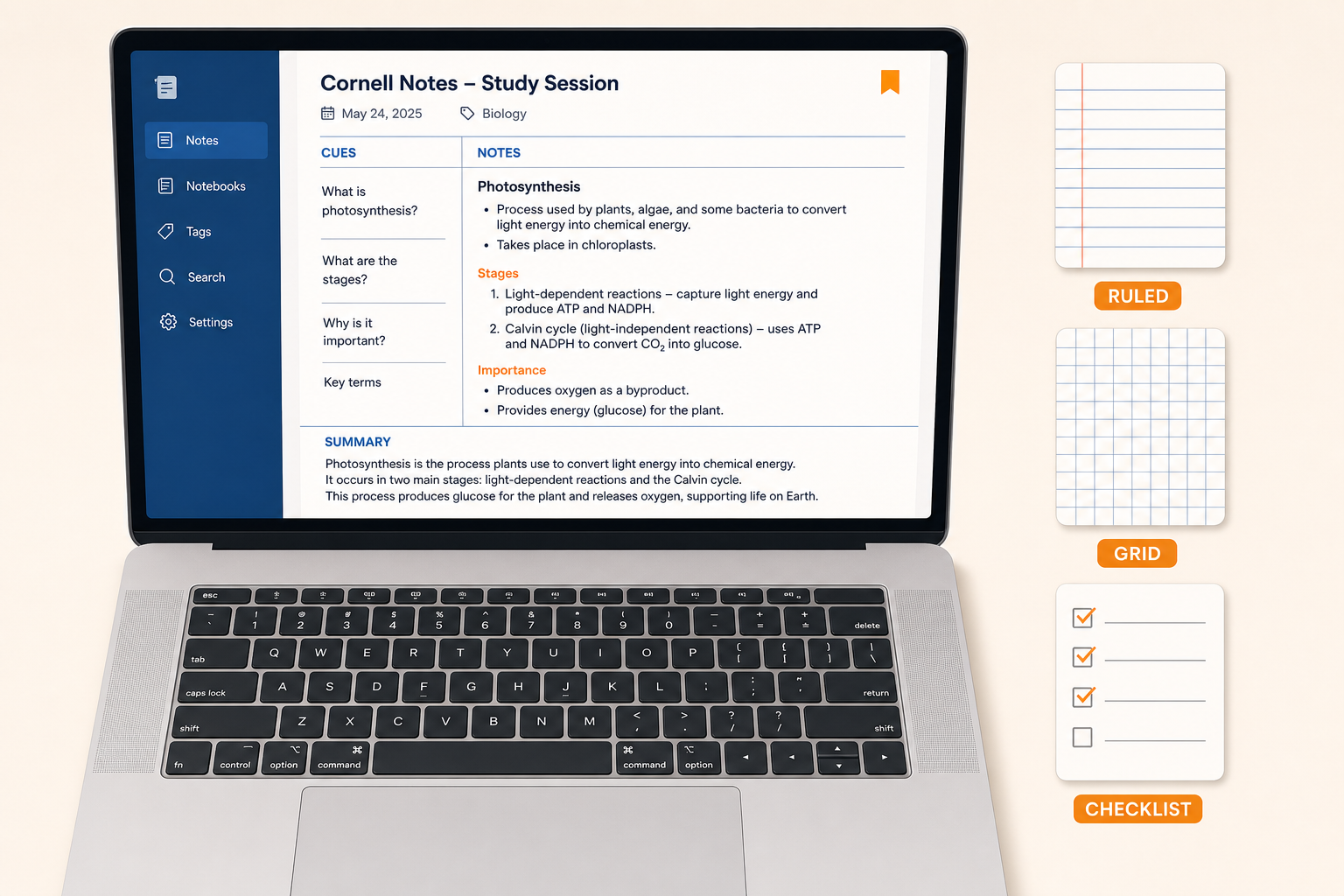
5 Proven Note-Taking Methods for Laptop Users (With Free Templates)
Structured note-taking on a laptop doesn't have to mean endless bullet points. This guide adapts five classic methods — Cornell, Outline, Mapping, Charting, and Sentence — for digital tools like OneNote, Notion, and Google Docs, with free templates to get you started.

12 Ways Knowledge Workers Can Use AI Automation Platforms to Reclaim 5+ Hours per Week
Discover 12 specific ways knowledge workers can use AI automation platforms to slash repetitive admin work — from email triage and meeting prep to CRM updates — and reclaim up to 5 hours per week starting with just a few automations.

AI Productivity Apps in 2026: Which Ones Actually Deliver ROI Per Dollar?
A head-to-head comparison of AI productivity apps ranked by cost-per-hour-saved, not feature count. Budget-conscious professionals and small teams will learn which $20/month tools save 3+ hours per week and where $50+/month subscriptions are actually justified.

Best Free Note-Taking Apps Compared: Which Free Plan Actually Works for Your Daily Workflow?
Not all free note-taking plans are created equal. This comparison helps knowledge workers, students, and professionals choose the right app based on their device ecosystem and note-taking style, with honest breakdowns of what each free tier actually delivers.

Best Note-Taking App for Mac in 2026: A Workflow Decision Guide
Not sure which note-taking app fits your Mac workflow? This guide helps you diagnose your primary note-taking style—quick capture, knowledge management, team collaboration, or long-form writing—then matches you to the right app, with a two-app stack strategy for optimal productivity.

The Productivity Paradox: A Framework for Closing the Sales Automation Reinvestment Gap
AI tools are saving sales teams an average of 4.8 hours per rep per week, yet 72% of organizations fail to reinvest that time into high-value selling activities. This article provides a three-layer framework—Capture, Redeploy, Measure—to close the reinvestment gap and turn automation gains into measurable revenue growth.
Handwriting OCR Accuracy in 2026: What the Benchmarks Actually Say
Handwriting OCR vendors claim 98–99% accuracy, but independent 2026 benchmarks reveal a far wider range. This article breaks down real-world Word Error Rates across nine tools and explains how to choose based on your handwriting type and accuracy needs.