
The difference between a loose Reykjavik trip and a planned one is not a few skipped coffees. It can be the difference between a traveler spending like the city is an unavoidable luxury destination and a traveler keeping the same trip inside a workable budget. The useful starting point for budget travel tips in Reykjavik, Iceland is this: budget travelers should expect roughly $100-150 per day before accommodation, or about $140-210 with a hostel dorm included; mid-range travelers land closer to $195-300 per day before accommodation.[1][2][3]
That range is wide because Reykjavik punishes certain defaults. A private room booked in peak summer, restaurant meals three times a day, taxis or a rental car used inside the city, and paid attractions chosen one by one will push costs up quickly. A hostel or guesthouse with a kitchen, groceries from Bónus or Krónan, walking plus the occasional bus, public pools instead of destination spas, and a City Card only on the right kind of day can cut the trip total sharply without turning the visit into a joyless exercise.
Start With The Dates, Because Reykjavik Pricing Moves Hard
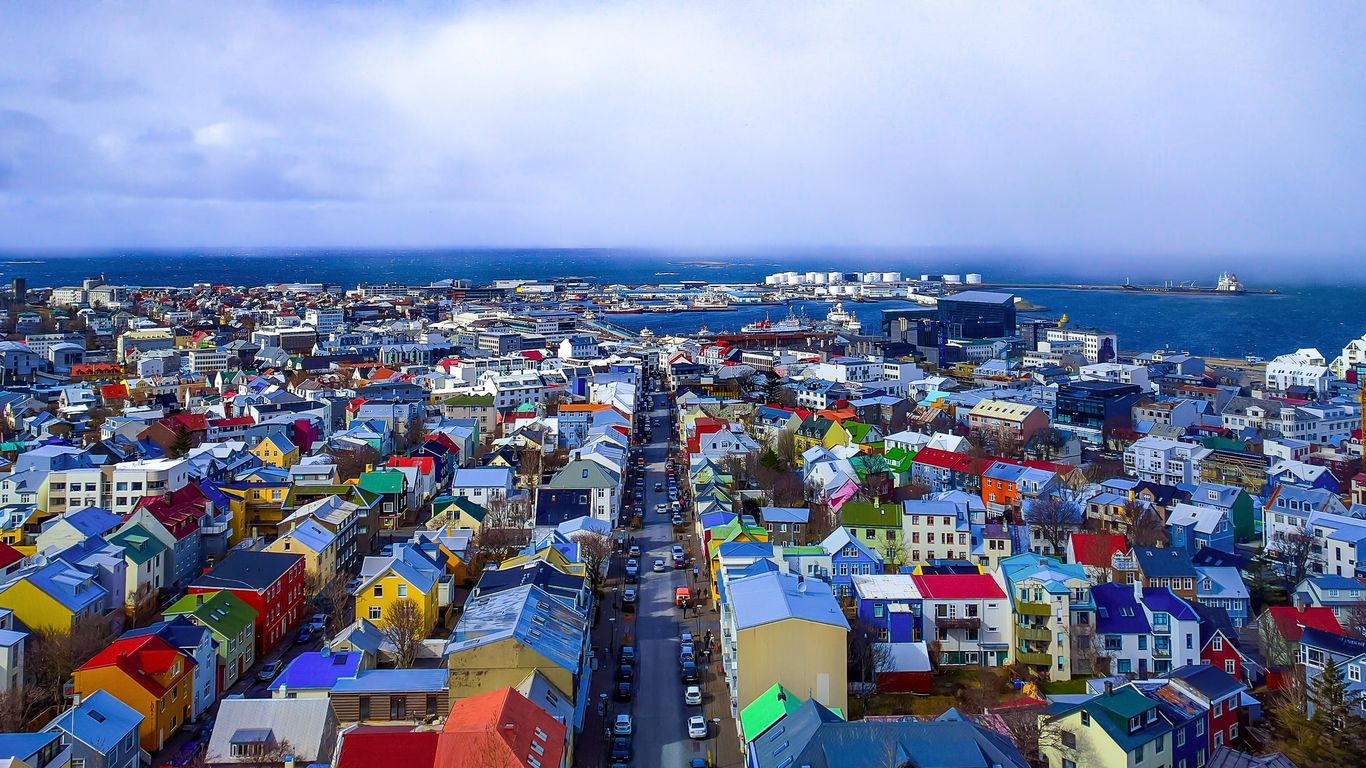
Before comparing hostels or restaurants, check whether the dates are doing damage. Shoulder season is the first serious lever. May and September can bring 20-40% savings compared with summer while still giving long days, roughly 14-18 hours of daylight, and milder conditions than winter.[2][3][4]
The difference is not theoretical. One cited seasonal example puts a hotel room at $80 in February and $350 in July, a 337% swing.[2] Flights move too: winter fares from North America are commonly cited around $300-600, compared with $800-1,200 in summer.[2][4] If the goal is Reykjavik on a budget rather than Iceland in the most crowded week of the year, the calendar deserves the same attention as the hotel search box.
For 2026, there is one date cluster to treat carefully: the August 12 total solar eclipse. Reykjavik is expected to see major demand around the event, with reported price spikes of 200-300%.[4] A budget traveler who has not already booked far ahead should either price that week with suspicion or move the trip. September is the cleaner compromise: northern lights visibility begins, crowds ease after the August peak, and prices are reported to fall 20-30% from those highs.[4]
Use The Stopover Only If It Actually Fits Your Flight
For North American travelers heading to Europe, Icelandair's stopover can be the rare travel hack that changes the trip math before the trip starts. The airline says transatlantic passengers can add a stopover in Iceland for up to seven days at no additional airfare.[5] If Reykjavik becomes a planned stop on a route you were already flying, the effective flight cost is very different from buying a separate Iceland round trip.
There is a caveat worth putting in the booking checklist, not the fine print: verify the current stopover terms while booking. Airline rules change, fare classes vary, and a no-extra-airfare stopover does not mean a no-extra-cost stay. It is still a hotel, food, and local transport decision. But if the routing works, this is one of the few pre-trip choices that can make Reykjavik feel less like an added vacation and more like a smarter use of a long-haul ticket.
Accommodation: Pay For Kitchen Access Before Room Privacy
Accommodation is the biggest recurring cost, but the room price is only half the story. Hostel dorms in Reykjavik commonly sit around $40-60 per night, guesthouses with shared bathrooms around $80-150, and seasonal camping around $10-32.[3][4][6] Those numbers matter, but the better filter is simpler: does the place give you reliable access to a kitchen?
| Lodging choice | Typical cost | Budget trade-off |
|---|---|---|
| Hostel dorm | $40-60/night | Lowest practical year-round bed cost, usually with shared rooms and shared bathrooms |
| Guesthouse with shared bathroom | $80-150/night | More privacy than a dorm, but still cheaper than many hotel rooms |
| Camping | $10-32/night | Seasonal and weather-dependent; cheapest on paper, least flexible for many visitors |
A cheap bed without a kitchen can become expensive by breakfast. A slightly less cheap bed with a kitchen can lower the food budget every day. That is the kind of trade-off Reykjavik makes visible. If two places are close in nightly price, choose the one where you can store yogurt, make coffee, pack sandwiches, and cook one real dinner. The savings repeat.
Shared bathrooms are not glamorous, but they are often the price of keeping Reykjavik from eating the rest of the travel budget. The mistake is treating accommodation like an isolated comfort decision. In this city, it determines whether food is a controlled cost or an open tab.
Food: The Fastest Way To Stop Leaking Money
Restaurant-heavy days are where many Reykjavik budgets collapse. Eating all meals out can push daily food spending to about $50-90. Self-catering from Bónus or Krónan can bring that down to roughly $18-28 per day.[1][2][7] That is not a tiny optimization. Over four days, the difference can pay for museum admissions, pools, bus rides, or the gap between a bad lodging location and a better one.
The workable pattern is not to ban restaurants. It is to stop using them for every ordinary meal. Buy breakfast foods, coffee, fruit, skyr, bread, cheese, and sandwich ingredients. Keep lunch portable when the day is built around walking. Save paid meals for something that actually feels like a choice rather than a failure to plan.
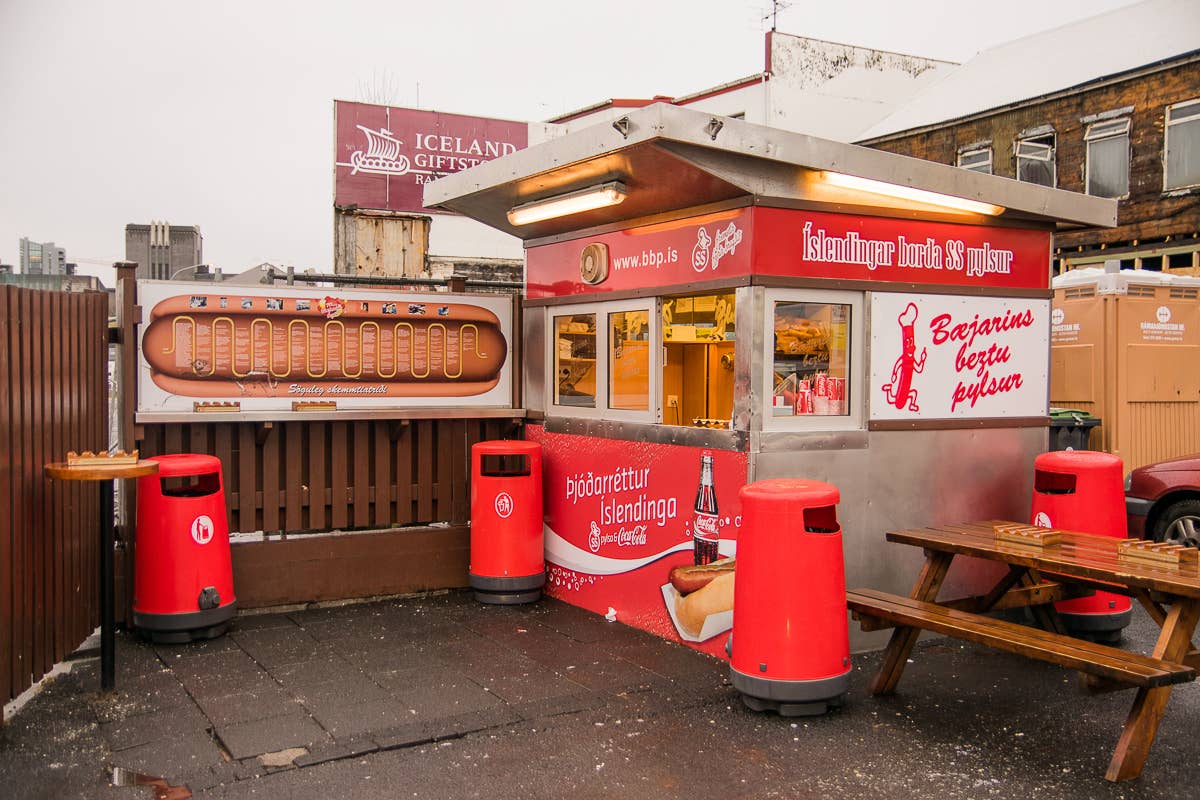
The Bæjarins Beztu hot dog is useful because it is both cheap and specific to the city. At about $6, it is one of the cheapest hot meals in central Reykjavik and still feels like eating in Reykjavik rather than hiding from it.[1][7] It will not solve dinner every night, but it is exactly the kind of low-cost anchor that keeps a day from turning into a $30 casual lunch by accident.
If you drink, happy hour is the only version of bar budgeting that really belongs in the plan. Many bars offer 30-50% off drinks in the 4-7 PM window.[7] That still does not make nightlife cheap; it just moves it from careless spending to chosen spending. Check the current times before going, because happy hour schedules are local, not universal.
The Fish-Shop Dinner Strategy
The most satisfying self-catering move is buying fresh fish from a fiskbúð and cooking it at the hostel or guesthouse. This works best when the lodging has a real kitchen, not just a kettle and a microwave. The point is not to stage a complicated dinner. Buy a modest portion of fish, add potatoes or bread, a salad or vegetables, and keep the cooking method simple.
This is where budget travel stops feeling like denial. You still eat local seafood in Iceland; you just do not pay restaurant labor, service, and markup every time you want it. The trade-off is time, cleanup, and the mild social awkwardness of sharing a kitchen with strangers. For many travelers, that is a better bargain than cutting the seafood entirely.
Transport: Walk First, Bus Second, Skip The City Car
Central Reykjavik is walkable enough that many visitors use little or no transit inside the city.[6] That does not mean every lodging location is equal. Saving money on a far-out room can become less attractive if it adds bus fares, time, and friction twice a day. For a short city stay, walkability is part of the room price.
When walking stops making sense, Strætó buses are the budget tool. A single ride through the Klappið app is about $3.50, and a 24-hour pass is about $10.[4][6] The 24-hour pass only makes sense if the day actually clusters enough bus use. Otherwise, pay per ride and keep the day compact.
A rental car is usually a city-budget trap. Reported rental prices run about $60-100 per day in low season and $110-160 per day in summer, before fuel, parking, insurance decisions, and the new 2026 kilometer-based road tax that adds to driving costs.[4][6] A car can make sense for multi-day trips beyond Reykjavik. It does not make sense for getting around downtown, going to pools, or reaching most city sights.
Keep The Trip Worth Taking: Free And Nearly-Free Reykjavik
A Reykjavik budget should not be built around doing nothing. The city has enough free or low-cost places that a traveler can cut paid attractions without cutting the actual experience of being there. Hallgrímskirkja's interior is free, Harpa's lobby is free, and City Hall has a free 3D map of Iceland.[1][7][8] None of these requires a grand itinerary paragraph. They are useful because they fill real time, indoors, without draining the budget.
Free walking tours belong in the same category, with honesty attached. They are tip-based, with a commonly recommended tip around $15-23.[7] That is still cheaper than many formal tours, but it is not zero. If the guide is good, pay them.
Grótta lighthouse is the free northern-lights option within city limits, but it comes with a practical warning: check tide tables, because access is only safe at low tide.[1][7] Nauthólsvík geothermal beach is another useful budget stop in summer, when entry is free.[1] These are exactly the kinds of plans that reward preparation without requiring more spending.
Public Pools Beat The Spa Splurge For Most Budget Trips
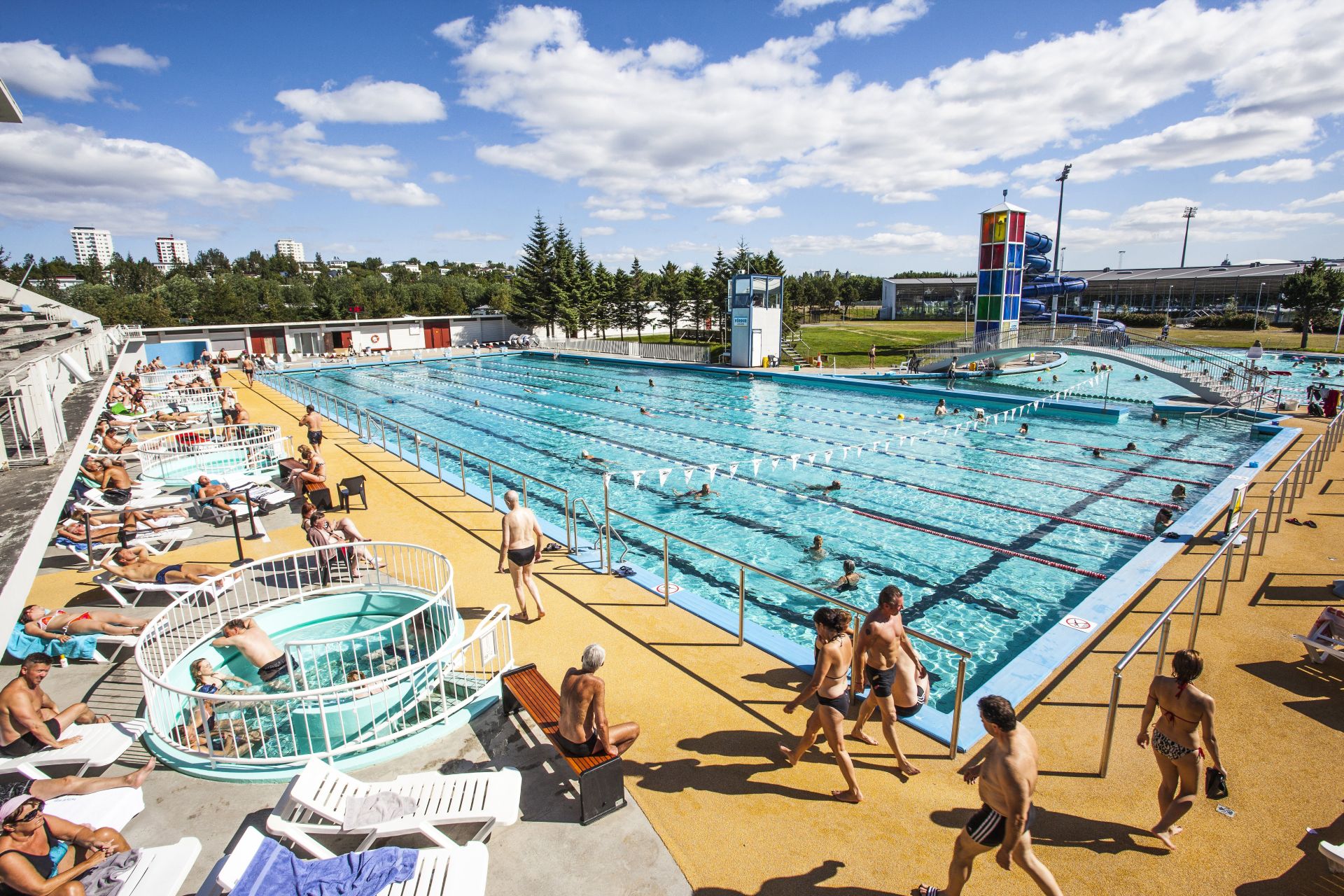
Reykjavik's public geothermal pools are one of the cleanest budget wins in the city. Pools such as Laugardalslaug and Sundhöllin cost about $8.50 to enter, compared with Blue Lagoon prices often cited at $70 or more.[1][7] They are cheaper, easier to fit into a city day, and more connected to local routine than a destination-spa detour.
This is not a claim that a public pool and the Blue Lagoon are identical experiences. They are not. The decision is whether the spa premium is the point of the trip. If it is not, the public pools preserve the geothermal part of the Reykjavik experience at a fraction of the cost.
The City Card Is Conditional, Not Magic
The Reykjavik City Card is worth calculating, not automatically buying. Current price anchors are about $45 for 24 hours, $60 for 48 hours, and $77 for 72 hours.[9] It can pay for itself after a pattern like three museums, two pools, and enough bus transport to matter.[7][9] It also includes the Viðey Island ferry.[1][9]
| Your plan | City Card verdict |
|---|---|
| Mostly free outdoor sights, walking, one pool | Skip it |
| Several museums, multiple pools, and bus rides in a tight window | Likely worth it |
| One paid museum day with no transit need | Price individual tickets first |
| Viðey Island plus museums and pools | Strong candidate |
The mistake is spreading City Card activities casually across too many days. If you buy it, cluster the paid museums, pools, ferry, and bus-heavy movement into the card window. If your Reykjavik plan is mostly Harpa, Hallgrímskirkja, Grótta, grocery meals, and walking, the card is probably solving a problem you do not have.
A Practical 2026 Reykjavik Budget Model
The repeatable budget pattern is clear enough to build before booking: choose shoulder season if your schedule allows it, avoid the August 2026 eclipse price surge unless that event is the reason for the trip, look for kitchen-access lodging, and treat grocery shopping as part of the plan rather than a backup option. Use restaurants selectively. Make the hot dog and fish-shop dinner do some of the work. Walk by default, use buses through Klappið when the route justifies it, and do not rent a car for the city.
For attractions, put the cheap high-value items first: free interiors, Harpa, City Hall, Grótta when tides allow, Nauthólsvík in summer, walking tours with a fair tip, and public pools. Then decide whether the City Card fits a museum-and-pool cluster. If it does, use it hard. If it does not, skip it without guilt.
Reykjavik remains expensive. The useful part is that it is unusually sensitive to planning quality. The same traveler can build a trip around peak dates, private rooms, restaurant defaults, paid transport, and one-off admissions, or around shoulder-season timing, kitchen access, grocery-first food, public pools, walking, and conditional passes. The second version is not Reykjavik for pennies. It is Reykjavik with the obvious leaks closed.
References
- Visit Reykjavik, Visit Reykjavik.
- Iceland Travel Budget, Never Ending Footsteps.
- Iceland Travel Guide, Nomadic Matt.
- Iceland Travel Cost 2026, Machu Picchu Travel.
- Icelandair Stopover, Icelandair.
- How Much Does It Cost To Travel In Iceland?, Dan Flying Solo.
- Reykjavik on a Budget, Penguin Trampoline.
- 36 Hours in Reykjavik, The New York Times, July 15, 2026.
- Reykjavik City Card, Visit Reykjavik.
Comments
Join the discussion with an anonymous comment.